r/nonfictionbooks • • Sep 20 '26

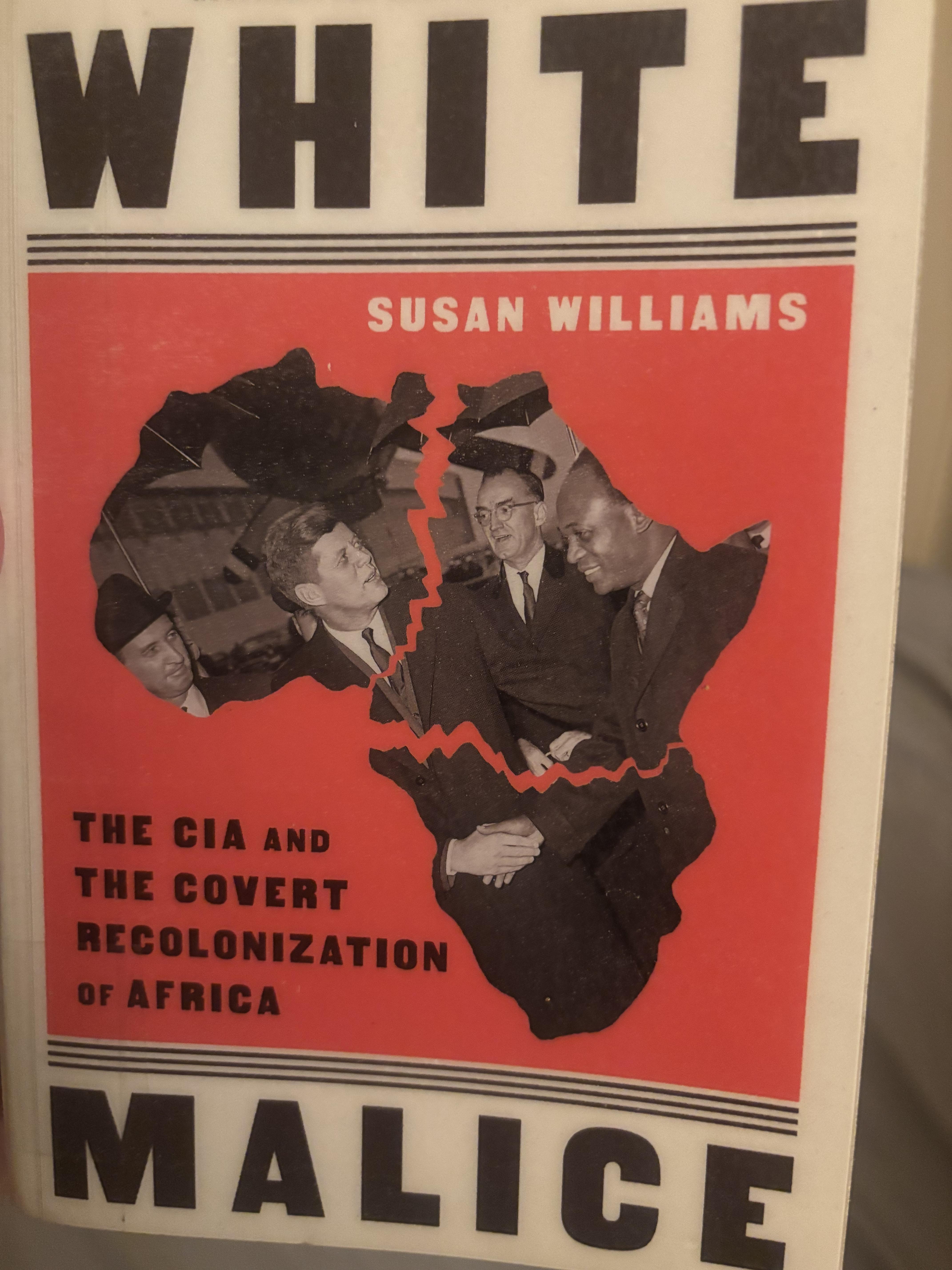
Just finished!

Post image
858 Upvotes

It’s sooo good, 5 stars. Went into it knowing nothing about the Belgian conquest and destruction of the Congo and it was an amazing introduction. 1000% recommend, it doesn’t really read like a historical book, it sucks you in and reads almost more like a novel


r/nonfictionbooks • • Jul 28 '26

Entangled Life

Post image
720 Upvotes

This might be one of my favorite non-fictions. Has anyone read this? If so, do you have any recommendations that sort of fall in the same vein?


r/nonfictionbooks • • Jan 23 '26

Books for our times

Post image
655 Upvotes

Some recent titles. If you're looking for a more narrative autobiographical book, I recommend How to Stand up to a Dictator by Maria Resa. If you're puzzled by the current political environment, lies, and chaos, How Fascism Works does a good job of explaining the seemingly incoherent right-wing movement. If you're looking for something more reflective, abstract, and less immediate, Peter Kropotkin's Mutual Aid might be for you.


r/nonfictionbooks • • 25d ago

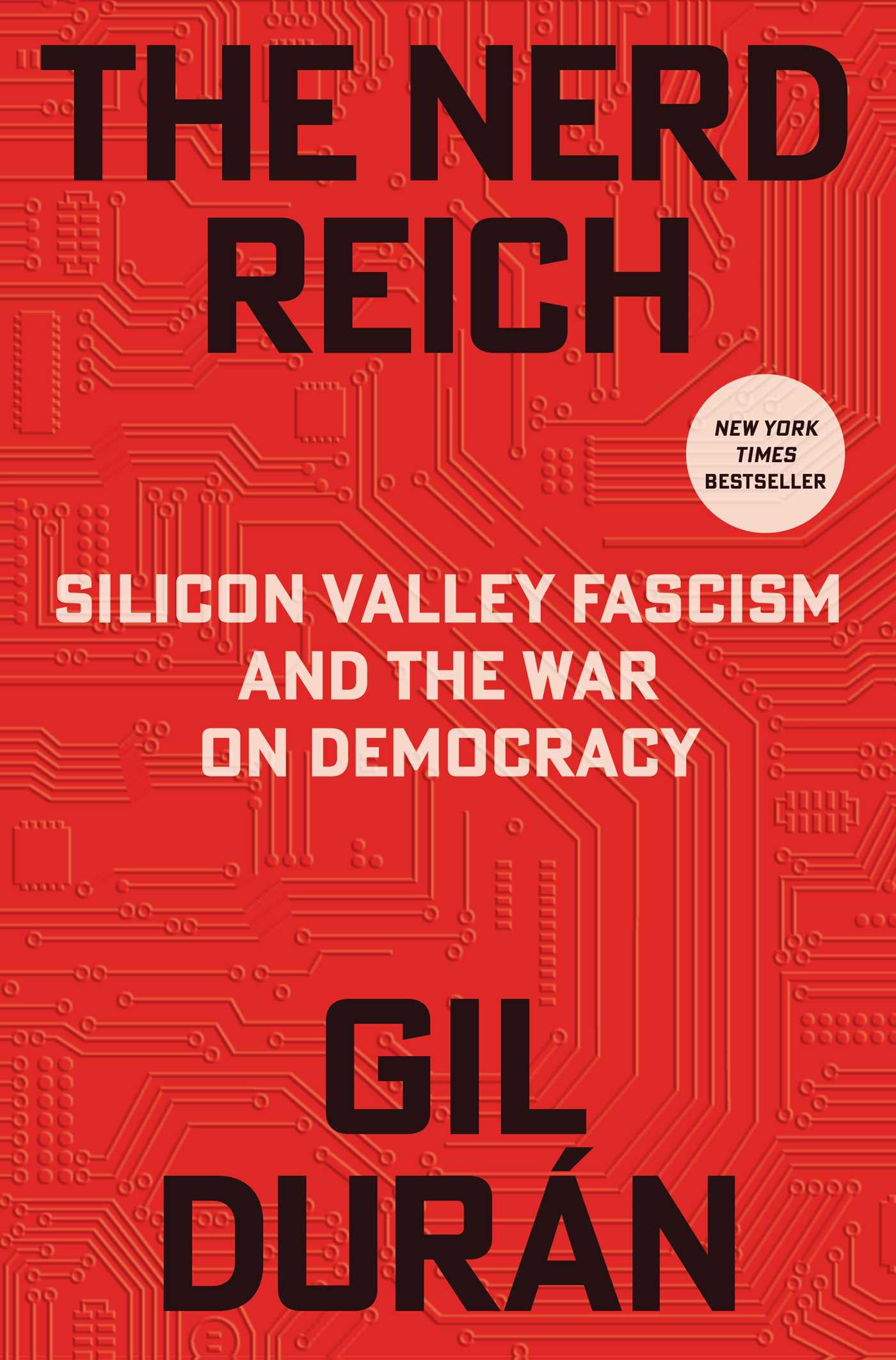
Nerd reich

Post image
647 Upvotes

Working my way through this and it’s hard to put down, no spoilers definitely recommend it


r/nonfictionbooks • • Oct 17 '26

Dawn of everything by david wengrow & graeber

Post image
595 Upvotes

r/nonfictionbooks • • Jun 21 '26 Heartwarming

“Nationalists profit off of disasters and crises”

576 Upvotes

r/nonfictionbooks • • Sep 27 '25

What nonfiction book completely changed the way you think

488 Upvotes

I’ve been trying to read more nonfiction lately and I’m looking for something that really leaves an impact. I’ve read a few biographies and some psychology books but nothing that stuck with me long term. I want a book that makes you see the world differently or challenges the way you think about everyday life. For those who read a lot of nonfiction what’s one book you’d recommend that truly shifted your perspective. I’d love to hear what stood out for you and why


r/nonfictionbooks • • Nov 16 '25

What are your thoughts on Sapiens? Here’s why it ultimately didn’t work for me

Post image
447 Upvotes

I’ve just finished Sapiens: A Brief History of Humankind, and I’m honestly conflicted. On one hand, I understand why it became a global phenomenon, it’s readable, ambitious, and packed with ideas. But on the other hand, the more I sat with it, the more certain parts felt uneven or even misleading.

Here are the main points that kept me from fully enjoying the book, and I’d love to hear how others approached these aspects:

1. The sweeping generalizations

Harari makes extremely large claims, about human behavior, psychology, economics, religion, and even consciousness — often presented as if they’re settled truths. But many of these topics are actively debated in anthropology, archaeology, and evolutionary biology.

At times, I felt he was simplifying humanity to the point of distortion.

2. Blurring the line between evidence and storytelling

One thing that really threw me off is how the book shifts between:

documented archaeological evidence

plausible speculation

and imaginative what-if scenarios

…without always clarifying which is which.

This can make the narrative exciting, sure, but it also makes it hard to know how much of what I’m reading is grounded in actual research and how much is there to create a neat, dramatic story.

3. Philosophical opinions presented as scientific conclusions

Especially in the sections about:

happiness and human fulfillment

capitalism and consumerism

religion and meaning

the future of biotechnology

Harari often presents his philosophical worldview as if it were a natural extension of historical evidence. Sometimes it felt less like a historian explaining the past and more like a futurist or moral philosopher pushing a narrative.

Not bad on its own, but I wish it had been framed more clearly.

4. The very confident, authoritative tone

Even when discussing highly controversial debates (like the cognitive revolution, early human cooperation, or morality), the tone rarely reflects the uncertainty or the existence of alternative interpretations.

I found myself wanting more nuance and more acknowledgement of complexity instead of single sweeping explanations.

5. The final chapters felt rushed and less convincing

The jump from deep human history to predicting future bioengineering and AI-enhanced societies felt like a big tonal shift. The arguments became broader, less detailed, and more speculative.

It was interesting, but the foundation didn’t feel as solid.

Overall

I didn’t dislike the book, it’s engaging, it’s thought provoking, and it’s the kind of work that makes you pause and reconsider things. But the more I reflected on it, the more the drawbacks outweighed the strengths for me personally.

I’d really love to hear your thoughts:

  1. Did the mix of fact and speculation work for you?

  2. Which parts of the book resonated most, and which didn’t?

  3. Did the broader philosophical claims feel justified to you?


r/nonfictionbooks • • Jul 20 '26

My current read

Post image
445 Upvotes

Picked this one yesterday, interesting so far.
What are your thoughts?


r/nonfictionbooks • • Aug 18 '26

Educated by Tara Westover — damn, this one stayed with me

Thumbnail
gallery
434 Upvotes

I genuinely don't even know where to start with this book.

It felt so real that it made me overly aware while reading. There were moments where I had to stop and just sit with what I'd read because they were too disturbing to take in all at once. And knowing that all of it actually happened somehow makes it hit even harder.

Tara didn't just deal with physical pain. She went through years of emotional manipulation, denial, and abandonment. The people who were supposed to protect her — her own family — repeatedly turned their backs on her when she needed them the most.

And still, she fought her way through it.

What stayed with me the most was watching her slowly outgrow the environment that had spent her entire life trying to define her. She gradually developed a mind of her own, questioned what she had always been told to believe, and built an identity separate from everything she had been taught.

You can't help but respect her for that.

She didn't just get an education; she built a whole new identity out of the rubble of everything she was told to believe.

This isn't a book that shocks you because of some huge plot twist. It's the slow, painful truth of it all that stays with you.

Absolutely worth reading.

Has anyone else read Educated? What was the moment or part of the book that stayed with you the longest?


r/nonfictionbooks • • Jan 23 '25 Wholesome Seal

Books the government doesn’t want us to read?

405 Upvotes

While reading declassified CIA files, I came across the mention of a book called “Final Notice” that talks about a new world government written back in the late 80’s. After reading about it there I decided I wanted to read the book myself, but it is out of print so it was hard to find and pretty expensive. It got me thinking about what other books might be out there that the government doesn’t want us to read/see/know about. Does anything come to mind for anyone?


r/nonfictionbooks • • Jul 30 '26

SPQR

Post image
354 Upvotes

I love history but I’m struggle with this one. Im half way through and I’m finding it hard to keep going. Im not saying its a bad book or poor writing. I just feel I’ve been mislead. Its more archeological focused than historical.

So far, this is not a book on ‘A history of Ancient Rome’ it’s a book on ‘how we know there’s a history about Ancient Rome’.

To give you an example, chapter 5 is about how Rome grew from a regional town to the leading power in the Mediterranean in the span of 53 years. I’ve finished chapter 5 and to be honest I’m none the wiser. I know how we know this happened without knowing how it happened. What she said about the actual events would fit on a single page.

Its like an reference addendum or appendix to the book you should have read on the subject. There is a lot of talk on the archeological knowledge of how we have come to know about these things without actually getting to learn about these things.


r/nonfictionbooks • • Sep 04 '26 Popcorn

What nonfiction book completely changed your mind about something you once believed strongly?

343 Upvotes

Looking for books that genuinely challenged your perspective, not just books you already agreed with.


r/nonfictionbooks • • Nov 29 '24 Take My Silver

What are some non-fiction books that contain rare, hidden or esoteric knowledge?

343 Upvotes

I want to feel as though I am reading a book full of "forbidden" knowledge, so to speak. I want to learn the true nature of things. I want to learn about how things "really" work, about classified government programs, coverups, the occult, psychology, historical/geographical mysteries, conspiracy theories that turned out to be true, real international relations, the nature of money, who is behind things, etc. You name it.


r/nonfictionbooks • • Jun 13 '26

“Education is the best weapon we have against oppression”

333 Upvotes

r/nonfictionbooks • • Sep 25 '26

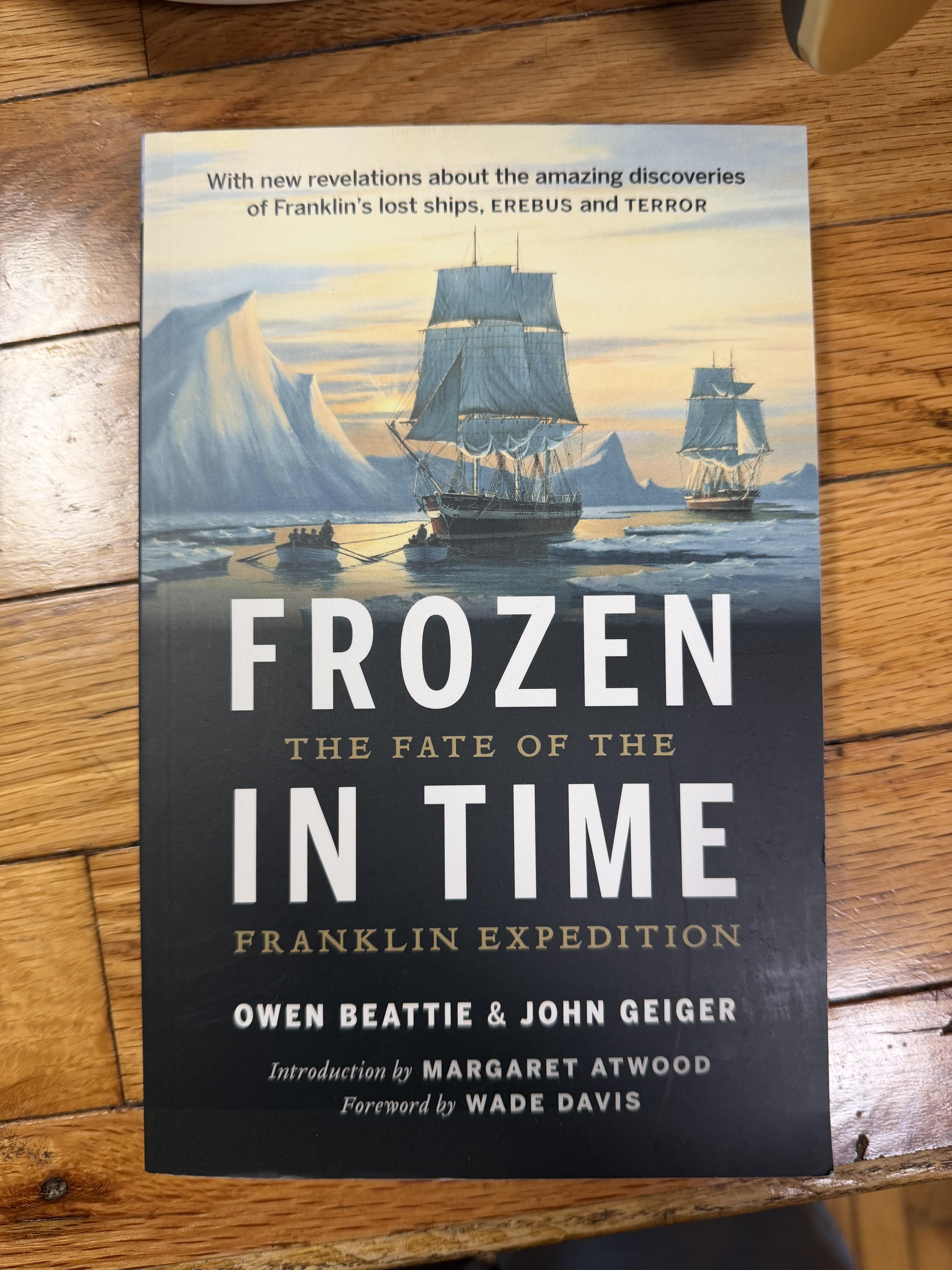
Maritime disaster and survival book recommendations.

Post image
332 Upvotes

I’ve got a side shelf project I’m building on 19th and 20th century shipwrecks and disasters and I’m looking for more suggestions. I’m currently reading Frozen in Time and have already read In the Heart of the Sea.


r/nonfictionbooks • • Sep 28 '26

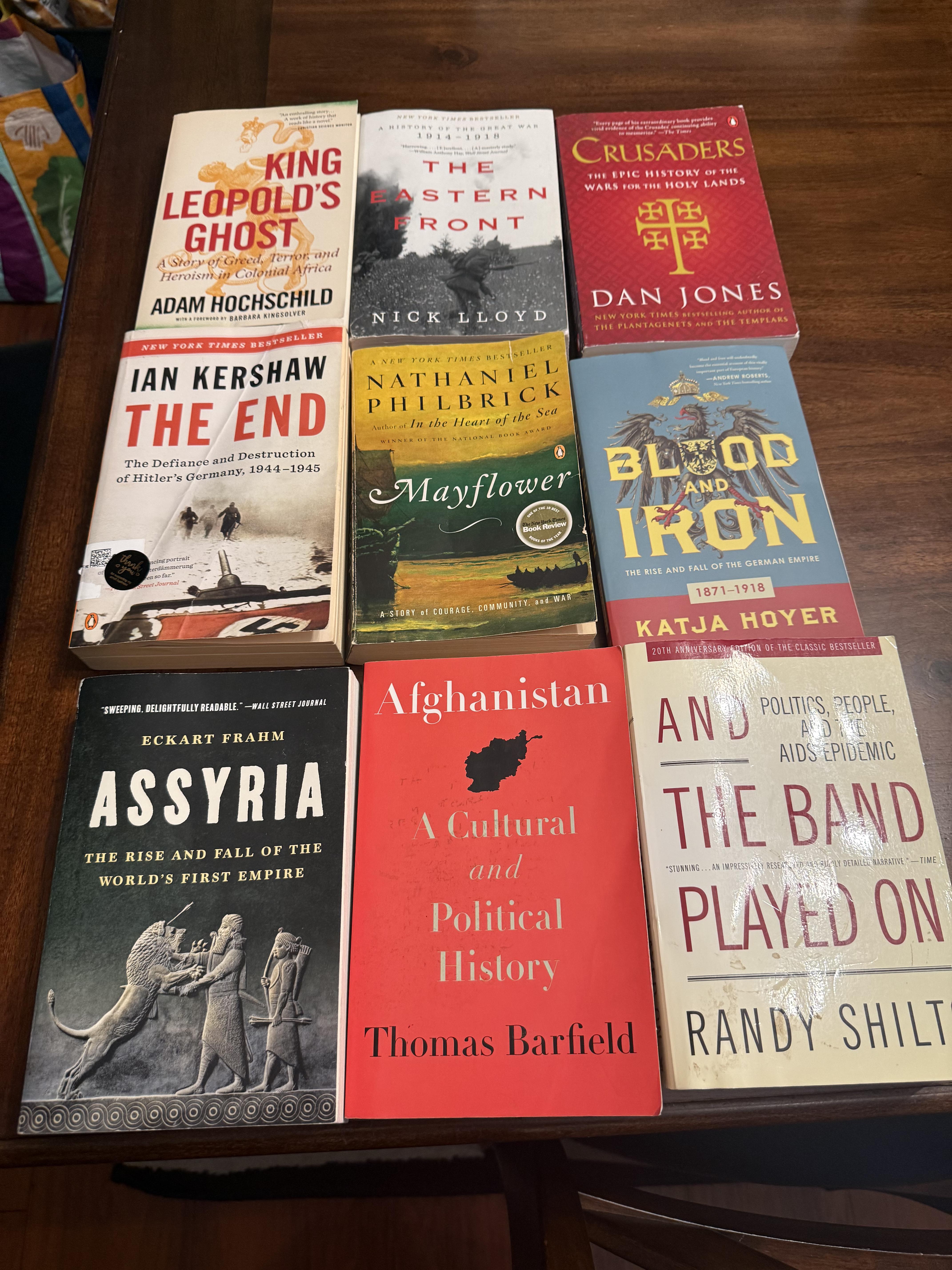
Used book haul

Post image
326 Upvotes

Obviously my taste is all over the place but I’m all about pulling as much knowledge as possible. I welcome any opinions on these along with recommendations.


r/nonfictionbooks • • Jul 24 '26

What was the first book that made you fall in love with reading?

Post image
319 Upvotes

r/nonfictionbooks • • Sep 14 '26

Finally finding the time to read this 500 page behemoth. The author wrote this during the height of the Covid-19 pandemic.

Post image
313 Upvotes

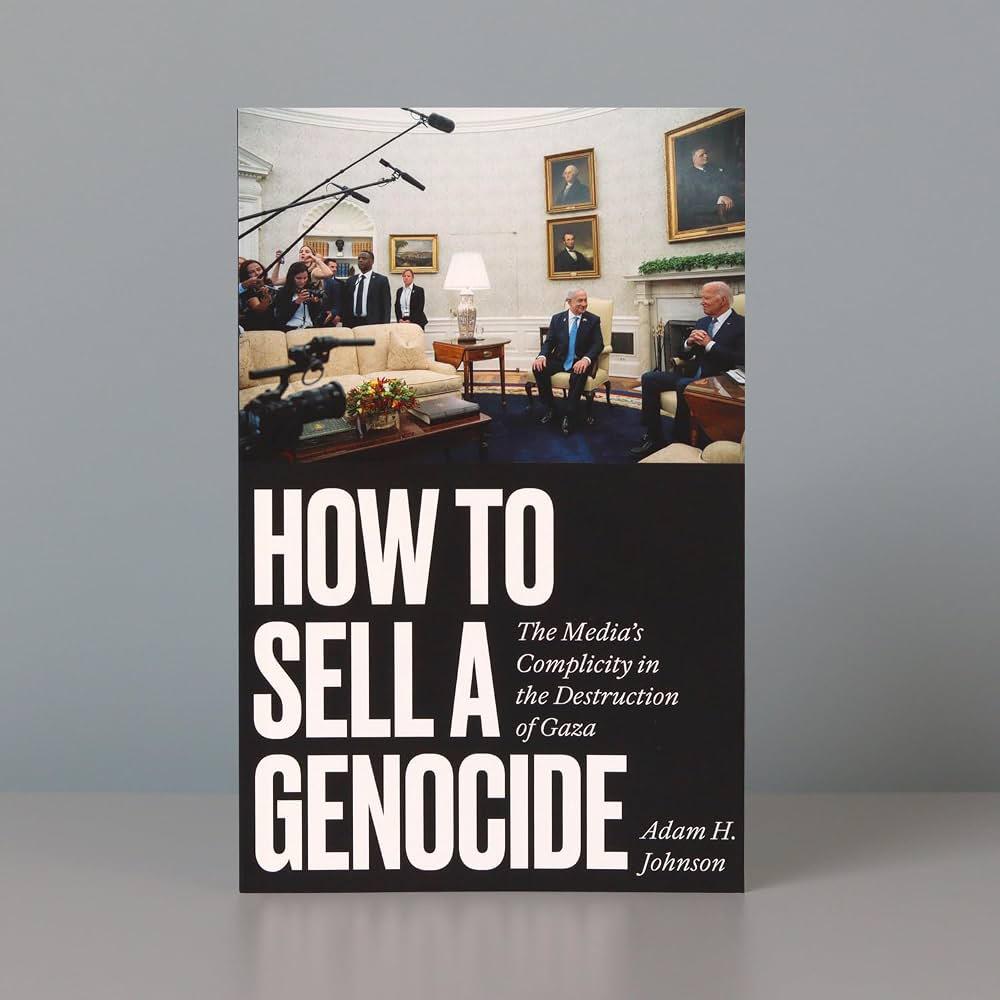
r/nonfictionbooks • • Aug 03 '26 Mindblown

How to sell a genocide

Post image
274 Upvotes

Just started this book a few days ago it’s eye opening to put it mildly can’t recommend it enough


r/nonfictionbooks • • Apr 11 '26

Silent Earth: Averting the Insect Apocalypse

Post image
226 Upvotes

You don't like bugs? Terrified by little things flying? This book could help.

We notice environmental crises when they become directly visible — burning forests, collapsing fisheries, drying rivers. #Insects disappear quietly. Yet their decline may be among the most consequential ecological disruptions underway.

If you're over 40, you probably remember car windshields plastered with insects after a summer road trip. That doesn't happen anymore. Maybe cars have a better aerodynamics now, but that can't explain the decrease entirely.

Goulson's book puts that intuition on firmer scientific ground — and the picture it reveals is deeply troubling and unsettling.

Insects form the ecological foundation of life. #Pollination, soil formation, nutrient cycling, food webs — all depend on them. And the primary driver of their collapse is hiding in plain sight: the industrial agriculture system that feeds us.

Systemic #pesticides contaminate soils and waterways for years. Monocultures eliminate the habitat complexity insects need to survive. Hedgerows and wildflower strips have been sacrificed for marginal yield gains. The result is a chemically saturated agricultural matrix functioning, for now, at a compounding ecological cost not reflected in the price of food.

We are trading long-term food security for short-term productivity — dismantling the very insect communities that pollination, natural pest control, and soil health needs. A system eroding its own foundations.

The solutions section is slightly undersized: individual action and urban greening are disproportionate to the scale of the problem. #Agricultural policy reform, land-use governance, and removal of #subsidies that reward ecological destruction are where the conversation needs to go - nut I understand that the book would become more difficult to read.

"Silent Earth" makes a critical and invisible problem understandable to a wider audience, and insect biology more appealing even to bugs haters. The ecosystems feeding us depend on organisms we've spent decades treating as irrelevant, and the future doesn't look bright if we don't drastically change our approach to food.


r/nonfictionbooks • • 28d ago

My Goodwill shelf - anyone’s favorites?

Thumbnail
gallery
216 Upvotes

These are some of my goodwill books. Are there any from this set you’d recommend or would skip?


r/nonfictionbooks • • Sep 20 '26

Splurged on some books I’ve been wanting!!

Thumbnail
gallery
210 Upvotes

Now reading: Kill Anything that Moves by Nick Turse. Let me know if you’ve read these and like them!! Idk what to pick up next between the two of them


r/nonfictionbooks • • Jan 11 '26

A must read: No more tears - the dark secrets of Johnson & Johnson

Post image
195 Upvotes

This book was only released last year and I think everyone, but especially Americans, should read it.

While I was aware of some of the lawsuits against Johnson & Johnson in recent years, I was shocked at the degree of corruption and negligence this company has been getting away with for decades.

Each chapter details a different scandal;from asbestos in baby powder to poisoned tylenol and schizophrenia drugs described to little boys who were not diagnosed with schizophrenia and grew boobs (gynecomastia) due to increased hormone levels that were irreversible.

Throughout J&J’s rise to become the largest healthcare conglomerate in the world, the company strategically hid numerous clinical trials that showed adverse side effects, bribed doctors to prescribe medications with financial incentives and prestigious speaking spots, deliberately destroyed data, and fired and threatened researchers and doctors who didn’t fall in line. It fought tooth and nail to keep other companies from producing cheaper generics and is refusing equitable access for many life-saving medicines.

The biggest realisation was how entrenched J&J is with regulatory agencies like the FDA which is completely dependent on its fundings. So many times the FDA failed to act upon information about health risks, gave in to pressure to make the decisions J&J wanted, and let them get away numerous times with a slap on the wrist.

For readers who enjoyed Empire of Pain (another fantastic book); if you thought Purdue Pharma was a bad company, it pales in comparison. J&J (who actually supplied PP with Oxy) is wealthier, more manipulative and - unlike PP - many times knew before market launch that a medication will cause terrible damage and did it anyway.

This book is so important because J&J still benefits from a largely positive reputation unlike other companies often cited as harmful like oil, tobacco or weapon companies. In fact, J&J CEOs are often courted by the government who happily hang out with them (and that goes for Dems& Republicans).

While I felt rage at times when reading this book, it was like a veil was lifted off of me and I’m now able to make more informed decisions about what medications to avoid. I have talked to my doctor about this book too (thankfully, I am in Europe where agencies aren’t as dependent on funding from pharmaceutical companies) and told her I do not want her to prescribe anything J&J if alternatives exist and to discuss this first with me.

The author is a former NY Times drug reporter so the prose reads more like a long-form investigatory piece. It’s clear that he conducted painstaking research that included digging up confidential communications and court documents and finding and a roster of primary sources and I am impressed how he managed to gather so much material that was previously unknown to the world. I believe he quit his job to write this book and I am so glad he did.


r/nonfictionbooks • • Oct 17 '26

current library

Post image
189 Upvotes