r/land • u/jdstraker • 7d ago
I buy vacant land in Florida. Here are the 7 checks I run before every offer — and the deals they've killed
I buy and sell small vacant lots in Florida, and I also work as a broker. The longer I do this, the more convinced I am that most land deals don't die at the closing table — they die in the buyer's driveway three months later, when they find out what they actually bought.
Cheap land is cheap for a reason. Sometimes the reason is just an out-of-state owner who's tired of paying taxes. Sometimes it's one of these:
1. Flood zone and elevation. A lot can sit in a flood zone even if it looks high and dry. Flood insurance, build restrictions, and resale value all change the math. I check the FEMA zone AND the actual elevation against base flood elevation — the map alone doesn't tell the whole story.
2. Legal access. You'd be amazed how many parcels are effectively landlocked — no deeded road frontage, access only across a neighbor's land. If there's no legal way to reach it, you don't own a building lot, you own a camping spot you can't drive to.
3. Delinquent taxes and liens. Back taxes, code enforcement liens, and utility liens can attach to the parcel. A seller "forgetting" to mention $4,000 in liens is more common than you'd think.
4. Zoning and setbacks. The lot is 0.23 acres and zoned for a house — great. But after setbacks, easements, and septic + well separation distances, is there actually a buildable footprint left? Sometimes there isn't.
5. Wetlands and protected habitat. In Florida: wetlands, gopher tortoise burrows, scrub-jay habitat. Any of these can stall or kill a build, and none of them show up in the listing photos.
6. Utilities. "Power nearby" can mean $800 to connect or $18,000 in line extension fees. Same with water/sewer vs. well/septic (and whether the soil will even perc for a septic system).
7. Sale history. A lot that's been flipped four times in six years at rising prices, or one the county took for taxes twice, is telling you something. The deed history is public — read it.
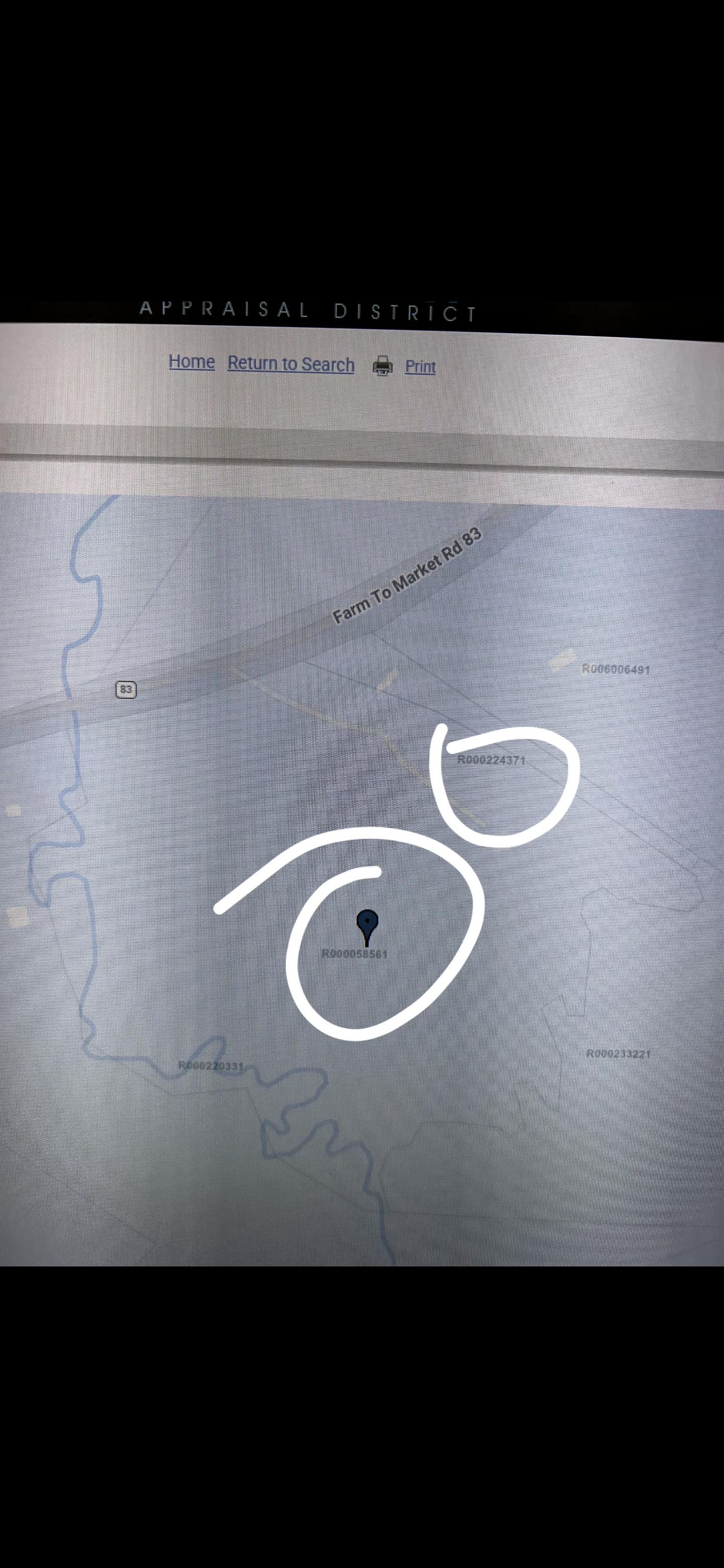
Every one of these checks uses public data — county appraiser and GIS, FEMA flood maps, county records. It takes me a few hours per lot, and it's saved me from at least a dozen bad buys this year alone, including a lot I loved that turned out to have no legal access and a tax lien bigger than the asking price.
The one thing I'd say to anyone buying land: the purchase price is the smallest number in the deal. What the lot is decides the rest. Happy to answer questions about how to run any of these checks yourself.