Hi everyone,
I'm a 19-year-old engineering student, and I need a sanity check. I'm grappling with a recent experience and my uncle's parting words that I'm just a "privileged, disrespectful brat with a superiority complex." Maybe he's right. I honestly don't know anymore, so I'm laying it all out here.
The Background:
I have a congenital Bicuspid Aortic Valve (BAV). It's not perfect. It causes mild Aortic Stenosis (AS) and mild-to-moderate Aortic Regurgitation (AR). The good news is that my heart function is excellent (Ejection Fraction is a solid 65%). I'm completely asymptomatic and feel physically fine.
After a referral from my doctor-relatives, I traveled 250km to Pune to see a cardiologist who was described as the "apex" in his field—fellowships from the EU, USA, Netherlands, the works. I waited 5 hours and paid the ₹5k fee, hoping for top-tier guidance.
The Consultation:
The doctor's core advice was this: Live a completely sedentary life. He explicitly said "no brisk walking," only "slow walks," and to avoid climbing stairs unless absolutely necessary. His reasoning? The more I exercise, the more "wear and tear" on my valve, and the sooner I'll need a replacement. He wants me to "preserve the valve" for as long as humanly possible. He wants me to sacrifice my youth to maybe push a surgery from age 25 to age 30.
I tried to ask some questions. Here's where things fell apart.
I'll be the first to admit, maybe my tone was off. As an engineering student, I tend to be analytical. But these weren't random Google searches; they were genuine, long-term concerns about my life.
My Questions vs. His Responses:
My Concern: "I have low bone mass, confirmed by a DEXA scan I got myself. My long-term concern is this: if I eventually need a mechanical valve, I'll be on Warfarin. Warfarin blocks Vitamin K, but Vitamin K2 is essential for directing calcium to bones. How do we manage my bone health then, when taking a K2 supplement could interfere with my INR and risk a life-threatening clot? It seems like a complex trap. I don't want to live with crippled bones and osteoporosis all my LIFE." His Response: "Don't think so much. Nothing will happen. Just do as I say."
My Concern: "Following up on that, if I take Calcium+D3+K2 now to fix my bones, what is the risk of accelerating calcification on my already stenotic bicuspid valve?" His Response: A laugh, followed by a tirade about his "13 years of study and 20 years of experience" and how I can't learn that from the internet.
My Concern: "You're switching me from Metoprolol to Bisoprolol (ik it's better but he didn't answer my question "why?") I felt fine on Metoprolol, could you explain the benefit of the change?" His Response: "Just replace the medicine. Stop asking questions. If you're going to ask so many questions, don't come back to me." He then told me to "take his chair and become the doctor instead."
I was humiliated. In front of my uncle, no less.
The Disconnect:
Here is my core issue. Am I a brat for questioning the logic of trading my entire quality of life for the next 30 years to maybe delay a surgery? The thought of a sedentary existence is a death sentence to me. Modern valve replacements, especially with pyrolytic carbon valves like the On-X, are not the horror stories of 30 years ago. Their required INR is as low as 1.5-2.0, not far from normal. People live full, active lives post-surgery.
So what's the end game? Live a miserable, deconditioned life to protect a piece of tissue, only to be a much weaker candidate for surgery when it eventually becomes necessary? This feels like a gross miscalculation of risk vs. quality of life.
A Message to the Medical Community (Especially Students):
This isn't just a rant. It's a look at your future. Your technical skill is the baseline, the absolute minimum entry requirement. But it’s not enough anymore.
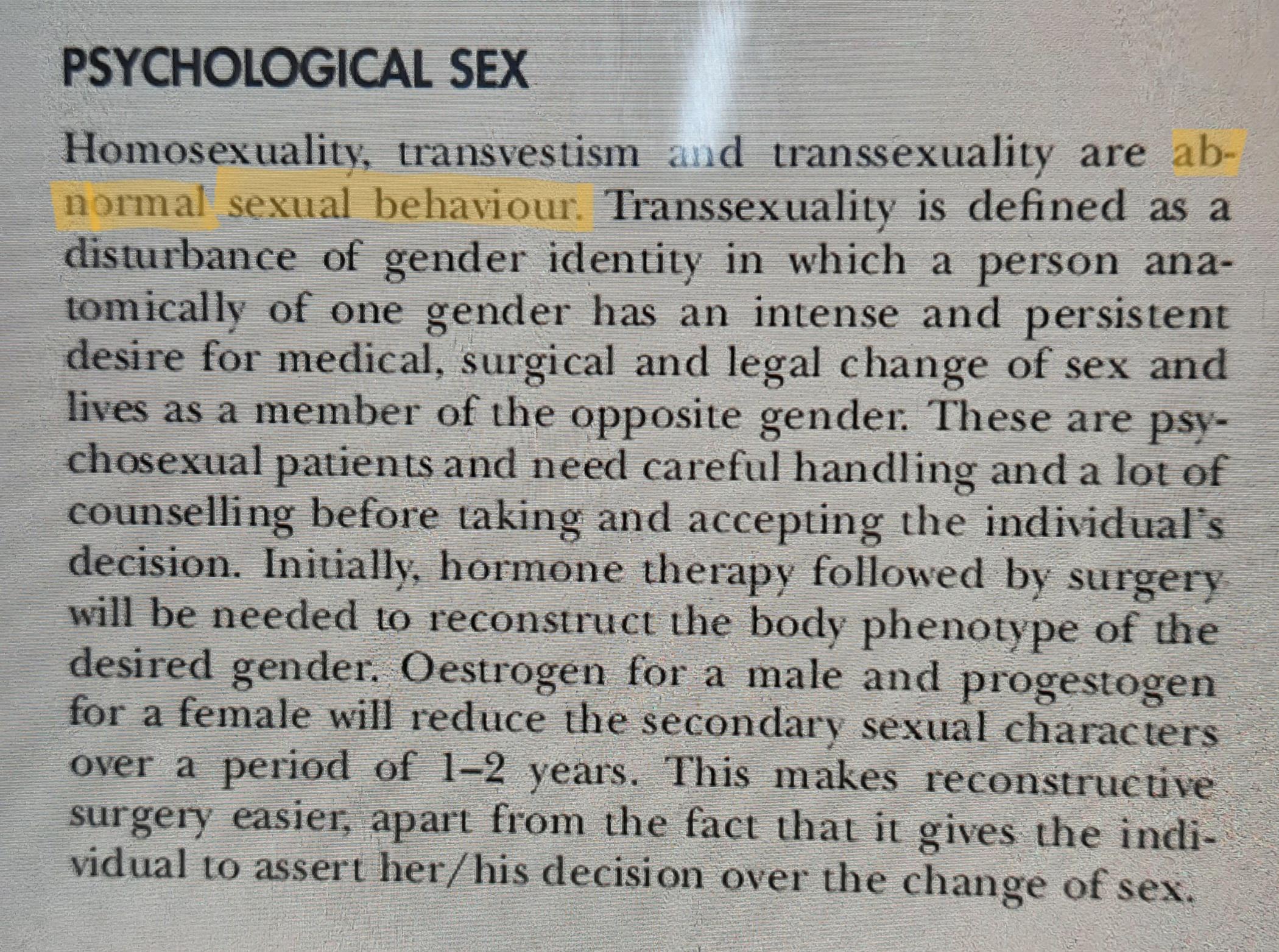
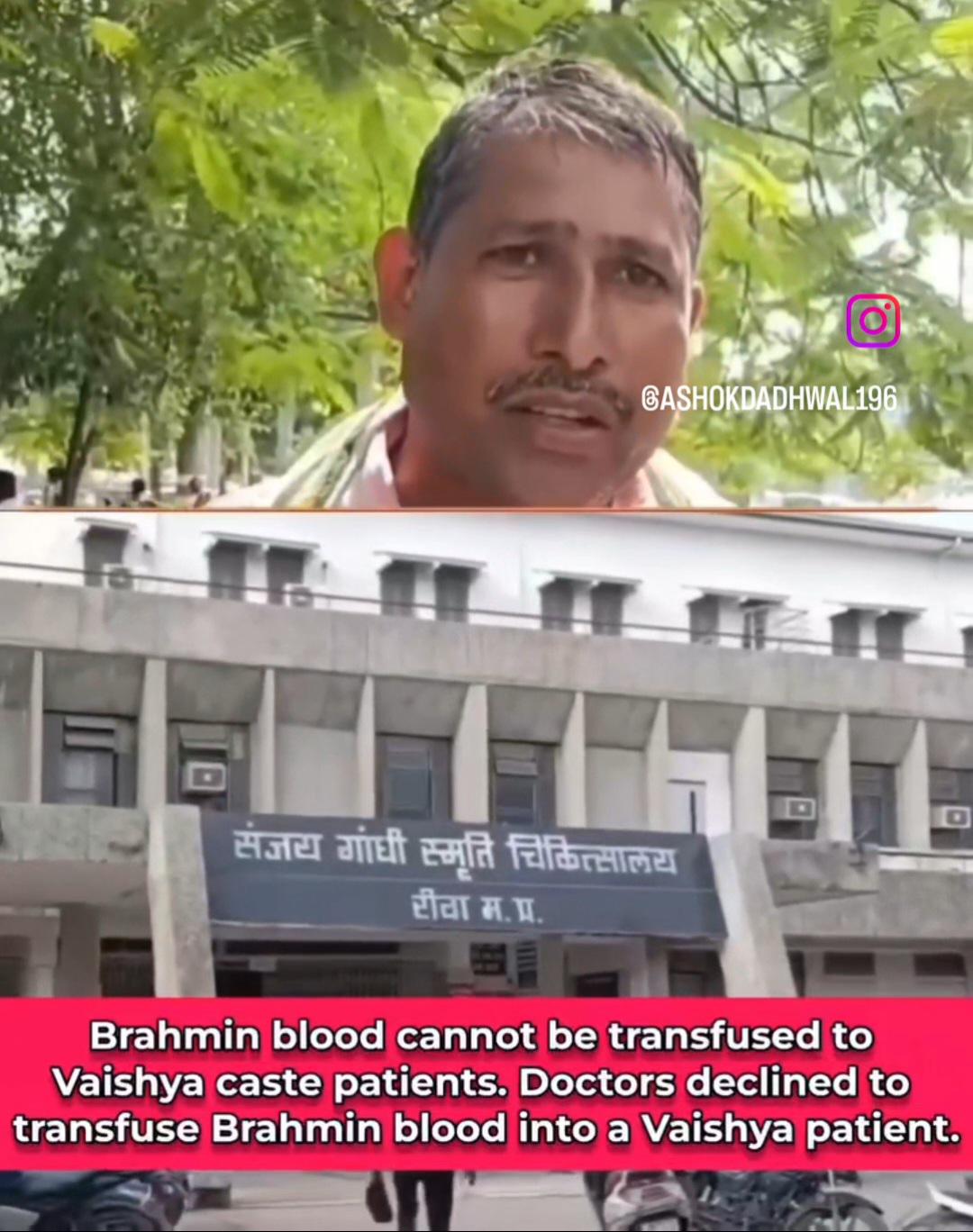
That doctor is a product of an era where the physician was an unquestionable god. That era is over.
Here's a brutal check for you: AI is coming. But it won't replace you. It will empower your patients. It will help people like me—people who are not medically trained—to synthesize information and formulate sharp, specific, and complex questions like the one I asked about the Warfarin/K2/Calcification triad. It will give patients a tool to instantly call out lazy, dismissive, or outdated advice.
The doctors who survive and thrive will be the ones who can do what AI can't: communicate, collaborate, empathize, and co-create a health plan that respects the patient's entire life, not just the malfunctioning part. Your value will not be in what you know, but in how you apply that knowledge with your patient. The paternalistic, "I'm the expert, shut up and listen" clowns will find themselves increasingly obsolete.
So, am I the asshole here? Was I a disrespectful brat for trying to engage with my own health? Or did I just get a glimpse of a dying breed of doctor who hasn't realized the world has changed?