I’ve seen a couple other posts about this, but they’re a few years old, so perhaps it’s time to revisit this topic.
I entered the profession / field of UX research about 12 years ago. Back then, it was sold as a rigorous field of study - using sound, tried-and-true research methods to gain deeper insights about users to improve digital product usability and experience.
My bachelors degree in Psychology with my masters in Human Factors (with an emphasis on human-computer interaction and research) seemed like a perfect fit. In fact, back then one could hardly get a job in UX research without such a background.
A lot has changed in 12 years - most of it not for the better in my opinion. Agile development spread like wildfire without consideration of how to incorporate research into it. A lot of people from various non-traditional backgrounds made their way into UX research roles.
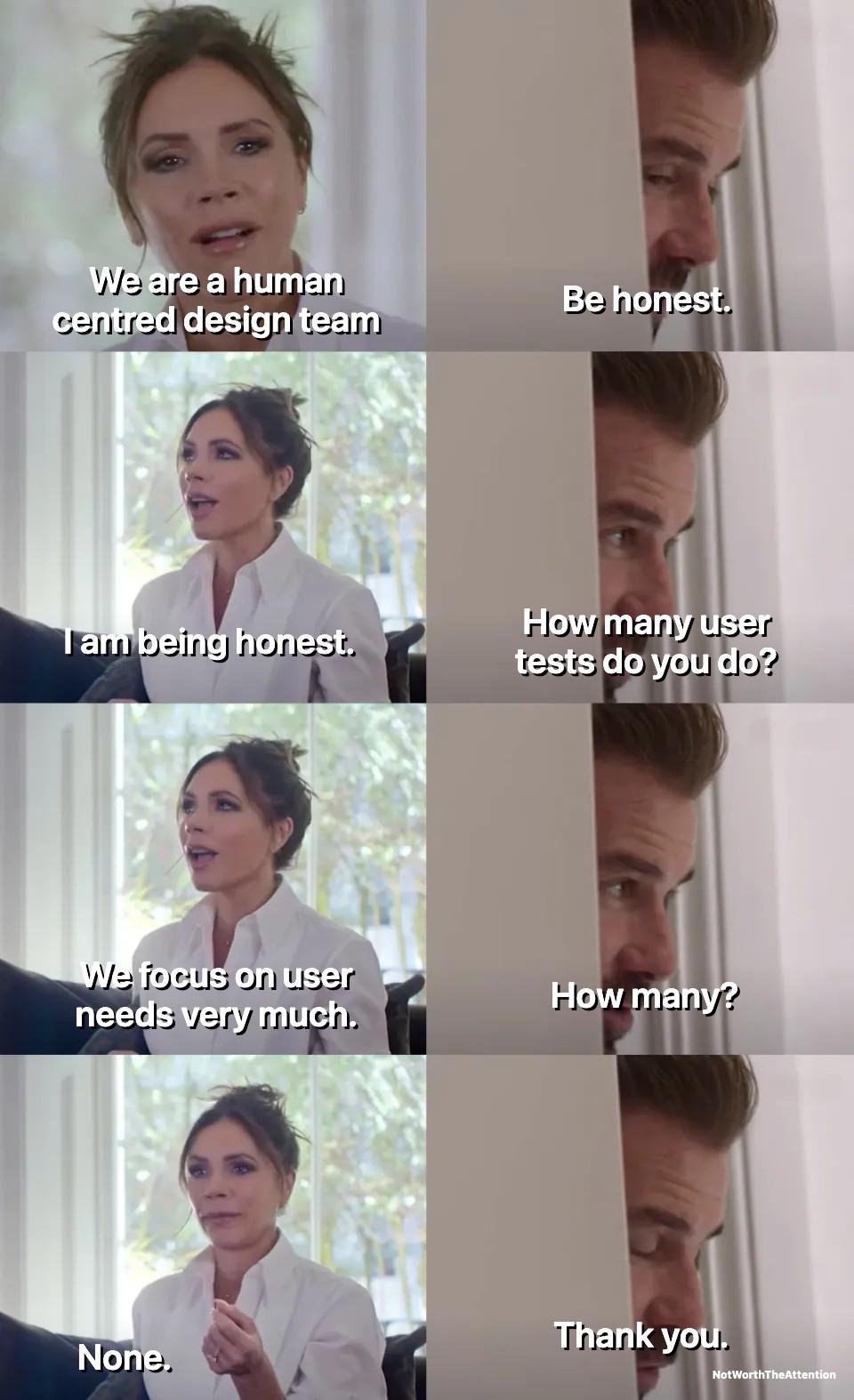
UX research has lost its rigor. I feel like we caved to the pressures of corporations, sacrificing research quality and validity by cutting corners in an effort to appease stakeholders. Things like utilizing sample sizes that are way too small to answer the research questions, or the improper use and interpretation of descriptive statistics (using them in inferential ways). Rushing studies without any peer review or pilot studies to refine study design and ensure confounding variables are controlled for and mitigated.
I have jumped companies, small and large, big players and small, looking for the UX Research team that still practices these best practices and puts guardrails in place to enable quality, valid, effective research.
I get it. We work for companies. Time is always a factor, so we have to make compromises in the name of efficiency. I’m okay with that - to an extent. But I feel, overall, as a whole, our field has allowed too many compromises to the point that we’ve diluted research practice and risk invalid research.
Further, and I mean no offense by this, we’ve hired people as researchers who don’t know research basics. Every researcher, in my opinion should know things like descriptive vs. inferential statistics, risks to research validity and how to mitigate them, how to determine the appropriate sample size (and not just defaulting to Jakob Nielsen’s “test with 5”), among other topics. I’ve had wonderful colleagues who did not have a solid understanding of such concepts, and I’ve seen their work suffer because of it.
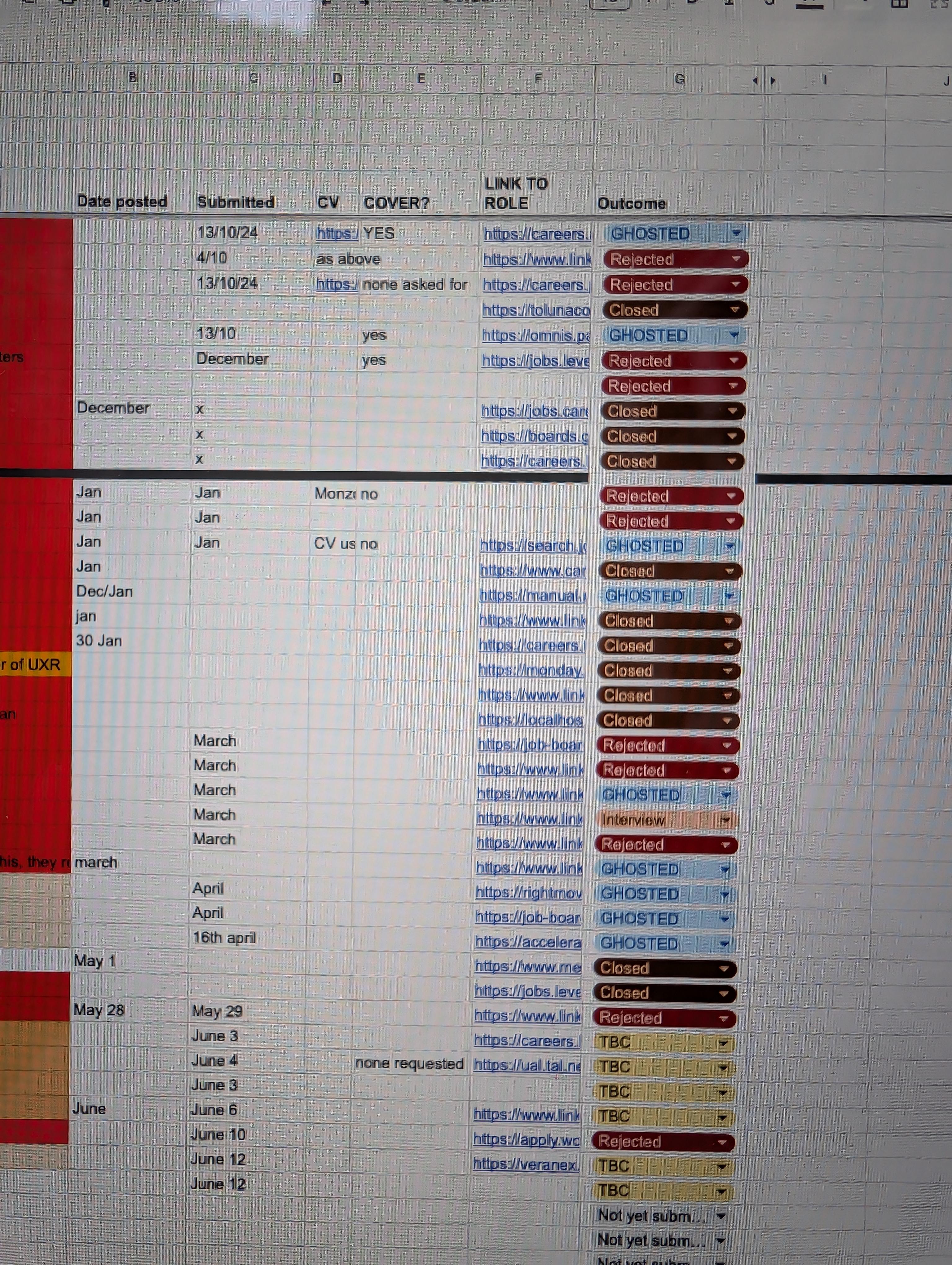
At this point I’m tired of going against the grain. I think UX research is a slowly sinking ship. So, I’m considering a career move. I’m not sure to what though. I’m curious if anyone else has moved out of UX research to a different profession, and why, and how that’s gone.
Right now my only thought is perhaps trying to move into data science somehow.