r/PhoeniciaHistoryFacts • • Mar 10 '24

Punic The “Punic Bread” still consumed in modern Tunisia

Thumbnail
gallery
1.8k Upvotes

A 600BC Punic Terracota from Carthage showing a woman making a “Tabouna bread” in a preheated oven with a curious kid close by.

Tabouna is Tunisians’ favorite and most ancient bread. Tabouna is a traditional bread baked along the walls of a traditional terracotta oven, itself called tabouna. Made from flour, this bread has a round shape, fairly flattened. Tabouna is mostly consumed in rural areas of Tunisia, however, during the holy month of Ramadan, most Tunisian people prefer tabouna to the French baguette.

Very interesting to see something from Ancient Carthage still being performed today


r/PhoeniciaHistoryFacts • • Nov 23 '21

Meme I don't know if I'm breaking the rules but I feel like somebody should say it, thank you u/PrimeCedars

Post image
1.7k Upvotes

r/PhoeniciaHistoryFacts • • Nov 11 '21

Meme Saguntum casus belli intensifies

Post image
1.5k Upvotes

r/PhoeniciaHistoryFacts • • Jan 28 '24

Phoenician “The human sacrifices will stop” 🤓

Post image
1.4k Upvotes

r/PhoeniciaHistoryFacts • • Mar 16 '24

Punic 20 000 members on r/PhoeniciaHistoryFacts! We are Hannibal’s infantry crossing the Alps

Post image
1.3k Upvotes

r/PhoeniciaHistoryFacts • • Jul 28 '26

Greco-Punic Carthage in the 3rd c. BC was one of the largest cities in the world, with a population estimated between 100,000 and a quarter million. Although mostly mercantile, it was capable of launching 200 warships and 70,000 men, comprised of citizens, Phoenician allies, and Libyan and Numidian mercenaries.

Post image
1.3k Upvotes

r/PhoeniciaHistoryFacts • • Sep 16 '21

Other Hannibal's monumental tomb in Kocaeli, Turkey. Atatürk, the founding father of the Republic of Turkey, revered and admired Hannibal so much he honored him with a symbolic tomb close to where Hannibal had died.

Post image
1.2k Upvotes

r/PhoeniciaHistoryFacts • • Nov 27 '24 Take My Silver

Meme Goodbye, Phoenicia and hello Syria

Post image
1.2k Upvotes

r/PhoeniciaHistoryFacts • • Sep 25 '25

Punic Awesome Carthage exhibit at the Louvre!

Thumbnail
gallery
1.2k Upvotes

They are all offerings the the goddess Tanit, I'll try to transcribe it in the comments


r/PhoeniciaHistoryFacts • • Dec 26 '23

Carthage in the 3rd c. BC was one of the largest cities in the world, with a population estimated between 100,000 and a quarter million. Although mostly mercantile, it was capable of launching 200 warships and 70,000 men, comprised of citizens, Phoenician allies, and Libyan and Numidian mercenaries.

Post image
1.0k Upvotes

r/PhoeniciaHistoryFacts • • Feb 10 '24

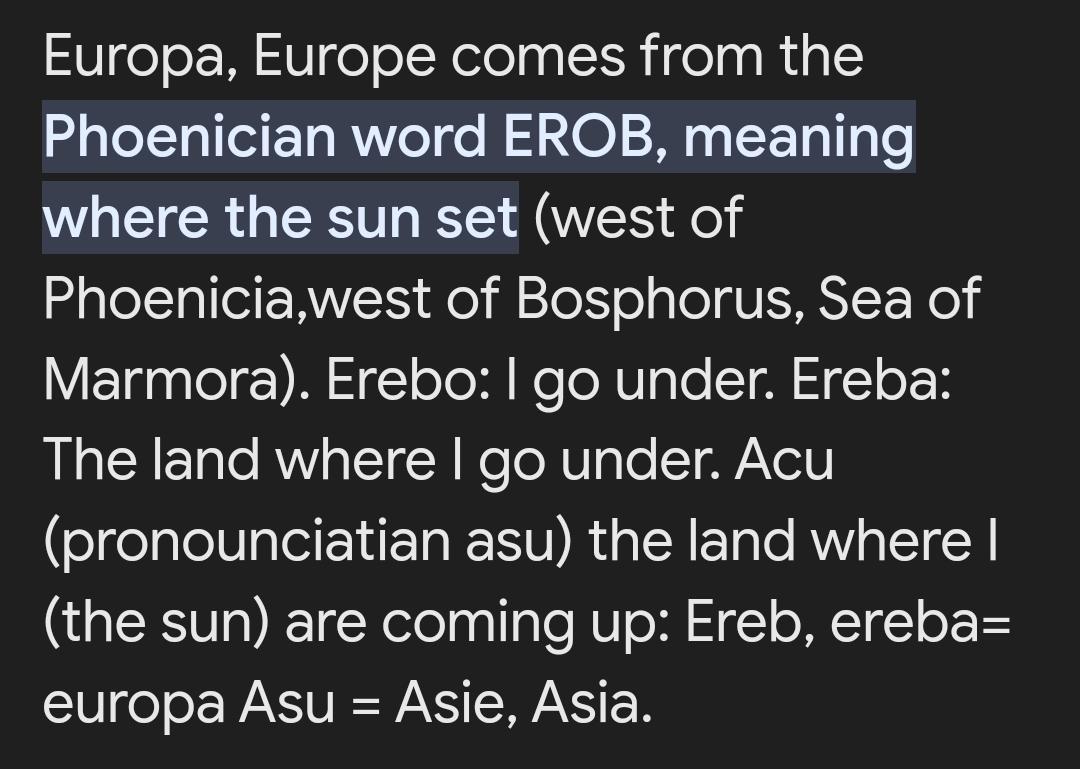
Greco-Phoenician Here I was thinking the word "Europe" had Greek origins because of the "Eu" that usually comes from Greek, but it's actually Phoenician.

Post image
1.0k Upvotes

The English spelling of the Pheonician word is most likely Greek mistranslation, most EU and Au English words come from Ευ and Αυ that were misinterpreted, the υ in Greek makes a V or E sound


r/PhoeniciaHistoryFacts • • Feb 09 '25

Roman-Punic What Romans seem to forget is that there were 17 years and 5 dead consuls in between 😅

Post image
1.0k Upvotes

r/PhoeniciaHistoryFacts • • May 10 '25

Hannibal grew up in military camps where his father, Hamilcar Barca, trained him with real weapons from childhood. Alongside his martial training from veteran soldiers, he studied ancient Greek literature under the guidance of his tutor Sosylos.

Post image
1.0k Upvotes

Hannibal Barca’s upbringing was meticulously shaped by his father, Hamilcar Barca, to produce a resilient and capable military leader. Unlike most children of his age, Hannibal did not spend his early years in leisure or play. Instead, his formative period was defined by rigorous martial training within military camps. Hamilcar ensured that his son did not merely inherit a legacy of leadership but earned it through disciplined practice and real-world experience.

Hannibal’s military education was thorough and uncompromising. Trained with real weapons—swords and bows—under the supervision of veteran soldiers, Hannibal’s upbringing was marked by an acute awareness of warfare’s realities. Hamilcar’s intent was clear: to prepare his son not just as a soldier, but as a leader capable of commanding men and confronting Rome itself. Livy underscores this focus, noting that Hannibal was “trained from boyhood for war, not for ease or idleness.” Such training laid the foundation for his future as one of history’s most formidable commanders.

Simultaneously, Hamilcar understood the importance of intellectual cultivation. He appointed Sosylos, a Greek tutor, to educate Hannibal in ancient Greek literature and thought. Sosylos not only taught him classical works but also accompanied him on later campaigns, reflecting the integral role of cultural and intellectual training in Hannibal’s development. Polybius highlights Hamilcar’s broader vision, portraying him as “unvanquished in spirit” despite Carthage’s earlier defeat. This spirit of resilience and strategic foresight was passed down to Hannibal, reinforcing his dual identity as both warrior and scholar.

This combination of martial discipline and intellectual depth created a leader capable of both military strategy and diplomatic finesse. Hannibal’s upbringing exemplifies the synthesis of physical rigor and intellectual breadth that characterized Carthage’s most illustrious general. It is no surprise that such a well-rounded foundation enabled him to challenge the Roman Republic with both tactical brilliance and cultural awareness.

Source: Hannibal Patrick N. Hunt


r/PhoeniciaHistoryFacts • • Oct 08 '25

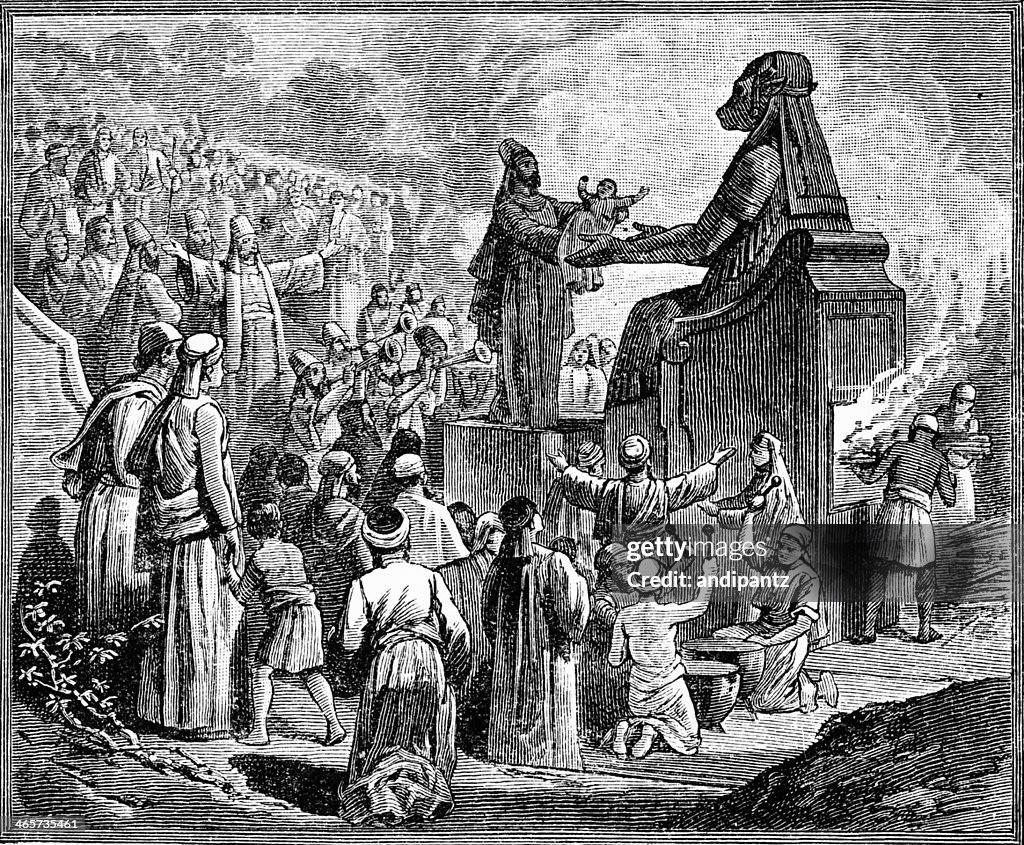
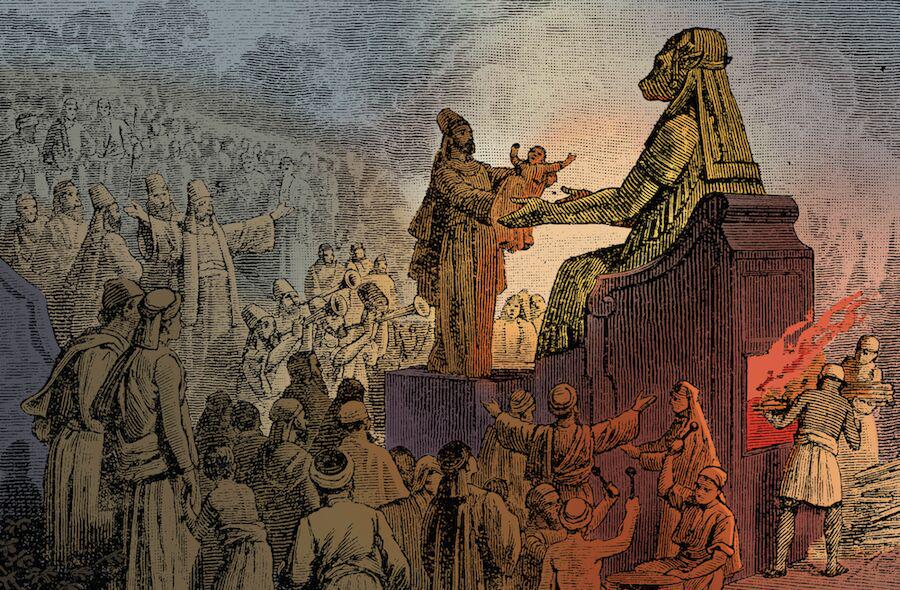
Punic Carthage remained linguistically and culturally Phoenician — and in some ways even more conservative than Tyre, preserving practices Tyre had long abandoned such as child sacrifice.

Post image
974 Upvotes

“It is clear that Carthage maintained a close link with Tyre throughout its history. Annually an expedition was sent to sacrifice at the Temple of Melqart (‘The Lord of the City’) at Tyre, a connection that was preserved even after Carthage grew in power and began to found colonies of its own. Culturally the city remained distinctively Phoenician in language and culture, the adoption of some Greek and Libyan customs not changing its essential nature. In at least one aspect of religious practice the Carthaginians were more conservative than the people of Tyre. They continued the ghastly Moloch sacrifices of infants which were killed and burned in honour of Ba’al Hammon and his consort Tanit, a practice which had been abandoned at Tyre by the time Carthage was established.”

— The Fall of Carthage by Adrian Goldsworthy


r/PhoeniciaHistoryFacts • • Nov 15 '21

Meme Ceterum autem censeo Carthaginem esse delendam

Post image
920 Upvotes

r/PhoeniciaHistoryFacts • • Dec 04 '21

Punic When Carthage was under siege by mutinous mercenaries after the First Punic War, many cities came to their aid, such as Tyre, Gadir, and Syracuse. Rome forbade any Italian merchants to trade with the mercenaries. Cyrene, worried of a Libyan uprising if Carthage were to fall, also provided support.

Post image
917 Upvotes

r/PhoeniciaHistoryFacts • • Nov 14 '22

The Only Carthaginian Building still in Existence!

Post image
845 Upvotes

r/PhoeniciaHistoryFacts • • Dec 26 '25

Meme 🚨 Public announcement: Sydney Sweeney is no longer welcome in our subreddit

Post image
784 Upvotes

r/PhoeniciaHistoryFacts • • Mar 28 '26

Punic On the subject of child sacrifice in Phoenicia and Carthage. Part 3 and Conclusion

Post image
769 Upvotes

Dear All!

After a very long delay (apologies!), I am publishing the last, 3rd post on this topic, where I am hoping to review and discuss together with you the archaelogical evidence of the child sacrifice and try to summarize what we know about the topic. In the 1st post we started the discussion mainly on general facts that are known about Moloch, later on in the post we looked at the historical accounts that talk about the subject.

Perhaps, the biggest evidence in favour of the sacrifical practice actually existing is urns filled with bones that have been found in Tophets - locations, such as the one in Carthage, where children were supposedly sacrificed. With hundreds of such locations spread across the Punic world, acharelogists have unearthed thousands of such unrs containing creamated remains of infants.

Such tophets are separated from normal cemeteries, which may suggest a cultural procedure different from than of an adult burial. Interestingly, multiple animal bones were often mixed in with infant bones in these urns.

While there are many who argue that the presence of Tophets unequivocally support the idea of child sacrifice through burning, another group of scientists suggest an alternative explanation: seeing Tophets rather as infant cemetery for children who passed away of natural causes. In support of this, scientists mention matching infant mortaility rates in the antiquity and the fact that some of the children were identified as stillborn.

In conclusion, having looked at the historical accounts, cultural, and archaelogical facts that we have, we may conclude that the large-scale infant crematon did take place in the ancient Punic world.

Whether the reason for that practice was primerily sacrificial remains unclear - most likely explanation is that at least sometimes, deliberate sacrificies did take place.

What do you think? Let me know your opinion in the comments.


r/PhoeniciaHistoryFacts • • Nov 07 '24

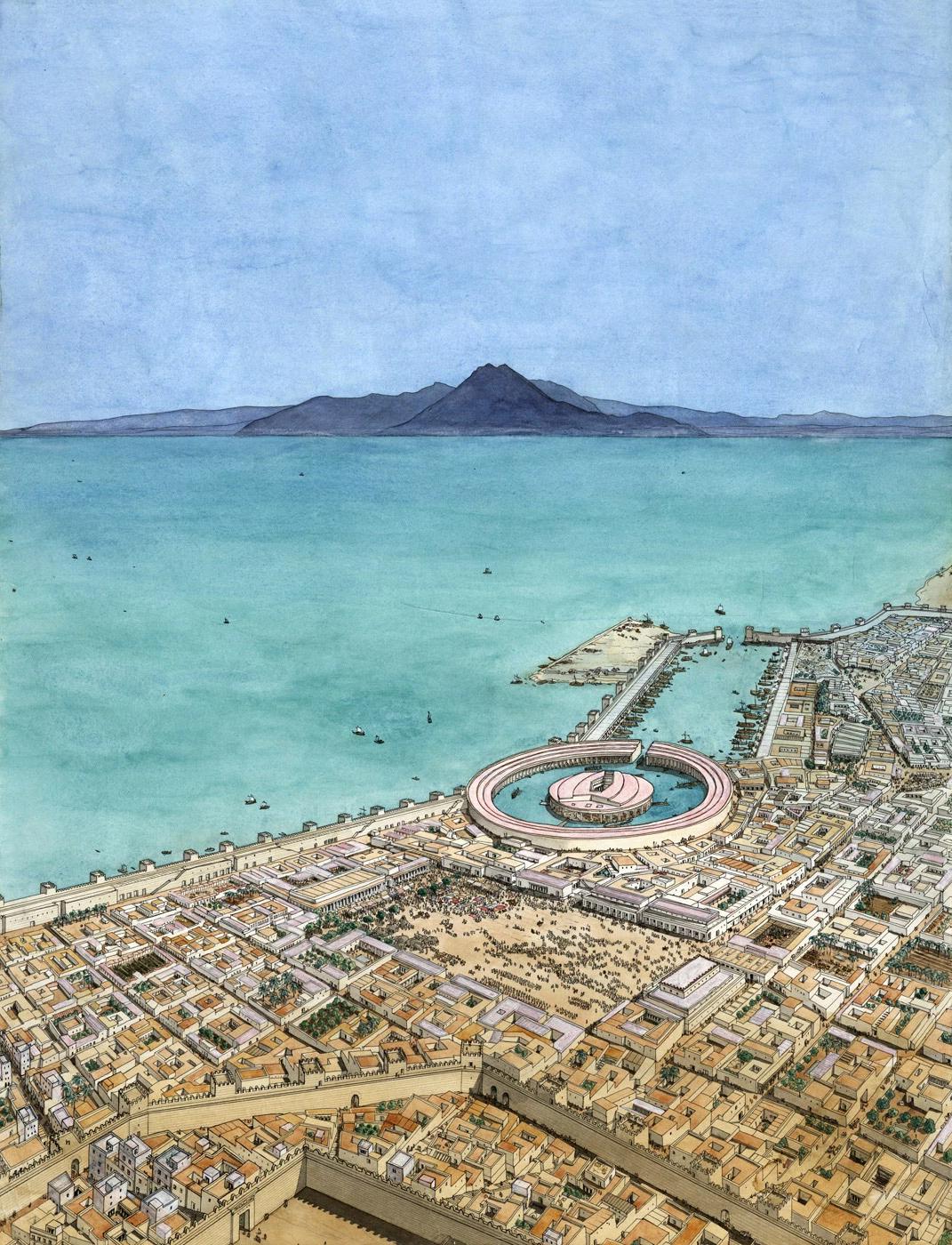
Punic Is there a practical reason for this design of the Carthaginian harbor?

Post image
747 Upvotes

It looks so awesome, like straight out of a sci-fi movie. What’s the benefit of this design? Rectangular mercantile harbor outside the circular war harbor? Doesn’t the narrow passage and the circular ring prevent quick mobilization of the warships?


r/PhoeniciaHistoryFacts • • Feb 16 '20

Punic This phrase has been attributed to Hannibal; when his generals told him it was impossible to cross the Alps with elephants, this was his response.

Post image
743 Upvotes

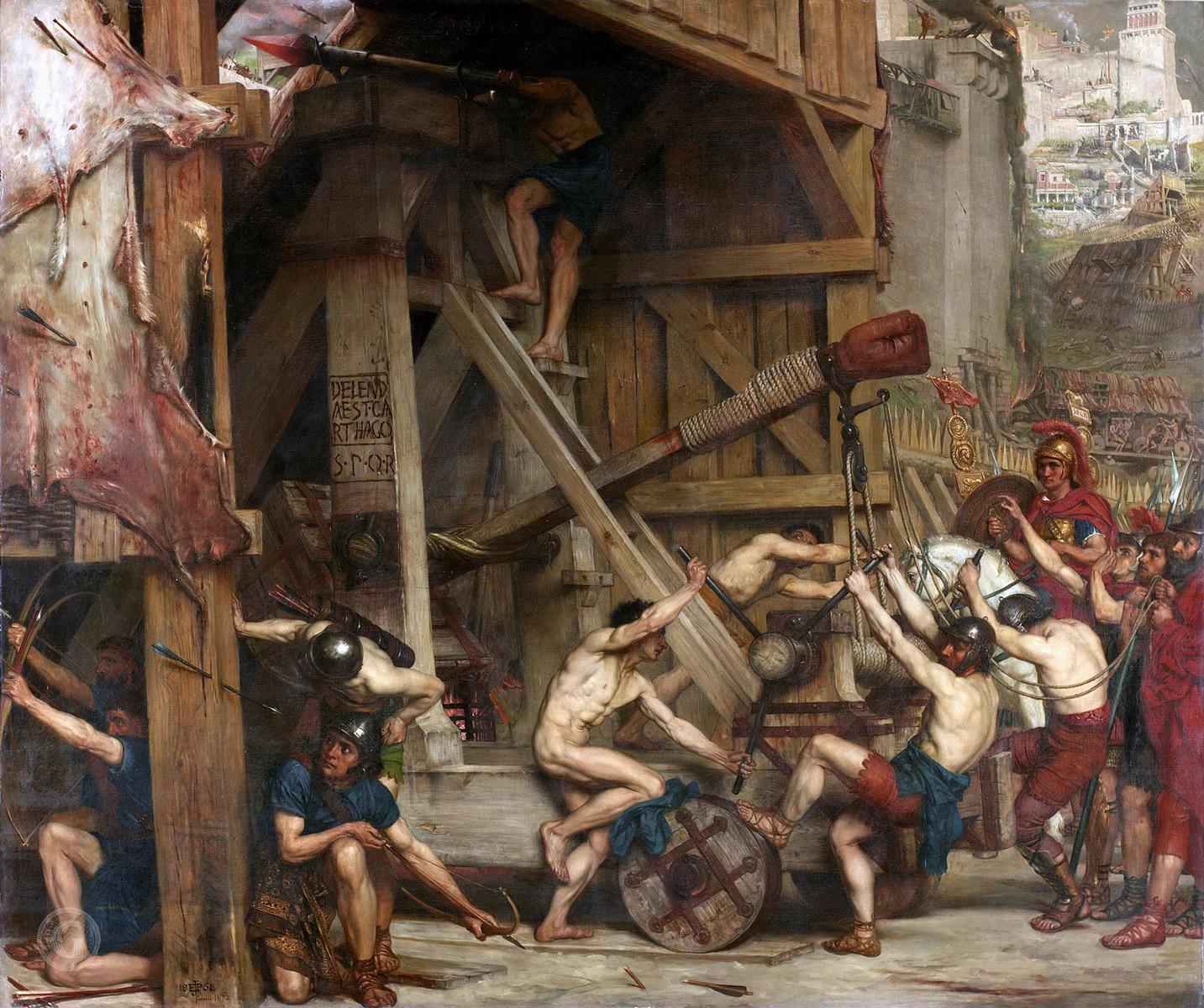
r/PhoeniciaHistoryFacts • • Sep 17 '25

Roman-Punic A Roman siege engine during the siege of Carthage in the Third Punic War, spanning three years.

Post image
707 Upvotes

Catapulta by Edward Poynter


r/PhoeniciaHistoryFacts • • Nov 18 '21

Punic The Battle of Ticinus was the first battle between the Carthaginians and Romans in Italy. It occurred near the river Ticinus in late November 218 BC after Hannibal crossed the Alps. The Romans suffered heavy losses, causing many Gauls to join Hannibal. It was the first of many Hannibalic victories.

Post image
685 Upvotes

r/PhoeniciaHistoryFacts • • Apr 30 '21

Roman-Punic Reconstructions of Punic and Roman Carthage, by Jean-Claude Golvin.

Thumbnail
gallery
662 Upvotes