r/MenOfPurpose • u/Top_Egg_7591 • May 07 '26
Divorce leads children to the worst places.⬇️

37
Upvotes
r/MenOfPurpose • u/Top_Egg_7591 • May 07 '26
r/MenOfPurpose • u/criticalwaffles • Jul 22 '26
r/MenOfPurpose • u/MotherAnt8040 • Apr 28 '26

Lily Allan, Amara Relf and Holly Thompson have triggered a parliamentary debate after their petition to recognise misogyny as a hate crime passed 100,000 signatures in under two days.
The campaign, boosted by viral TikTok posts, calls for stronger legal protections beyond proposed amendments to the Policing and Crime Bill 1998.
The trio say the debate is a crucial step towards tackling violence against women and girls.
r/MenOfPurpose • u/Automatic-Algae443 • Sep 11 '26
r/MenOfPurpose • u/MotherAnt8040 • Mar 27 '26

Let's be real. every post about being a better boyfriend says the same recycled nonsense. "communicate more." "plan date nights." "be more romantic." cool, thanks, groundbreaking stuff. none of that addresses why so many guys end up either completely losing themselves in relationships or staying so emotionally distant they wonder why things fall apart. i went through relationship psychology research, attachment theory books, and way too many hours of content on this. here's what actually moves the needle.
Step 1: Understand Why "Trying Harder" Backfires
most relationship advice assumes the problem is effort. it's not. the problem is you're operating from anxiety, not intention. when you try to be a better boyfriend from a place of fear, losing them, not being enough, you start abandoning yourself. you say yes when you mean no. you drop hobbies. you become a version of yourself that exists only to keep them happy. that's not love, that's codependency with extra steps. attachment theory shows this pattern forms early and runs deep. recognize it first.
Step 2: Build a System for Actual Growth
here's the thing, most guys want to improve but have no structure for it. you read one article, feel motivated for a day, then forget everything. willpower alone doesn't work because your brain craves systems, not intentions.
i started using BeFreed, a personalized learning app that generates custom audio lessons based on your exact goals. you type something like "i want to be more emotionally available without losing my independence" and it builds a whole learning path from relationship psychology books, attachment experts, communication research. my friend at Google put me onto it. i listen during commutes and it's genuinely helped me understand patterns i kept repeating. you can adjust the depth too, quick 10 minute sessions or deeper dives when you have time.
Step 3: Master Emotional Regulation Before Communication
everyone says "communicate better" but nobody mentions you can't communicate well when you're emotionally flooded. your nervous system hijacks your brain. you get defensive or shut down. The Gottman Method research shows couples who regulate emotions first have 90% better conflict outcomes. try this: when tension rises, say "i need 20 minutes to process" instead of reacting. use that time to breathe and identify what you're actually feeling underneath the anger.
Step 4: Protect Your Identity Like It Matters
because it does. keep your friendships, your hobbies, your goals. a good relationship adds to your life, it doesn't replace it. read No More Mr. Nice Guy by Dr. Robert Glover. this book has helped millions of men understand why they lose themselves in relationships and how to stop. Glover breaks down the "nice guy syndrome" patterns that make you abandon your needs to avoid conflict. genuinely life changing for anyone who struggles with people pleasing in relationships.
Step 5: Learn Their Emotional Language
your partner doesn't experience love the same way you do. The 5 Love Languages by Gary Chapman is a bestseller for a reason. Chapman spent decades studying how people give and receive love. the book helps you identify both your language and theirs so you stop showing love in ways that don't land. quick tip: ask them directly, "what makes you feel most loved by me?" then actually do that thing consistently.
Step 6: Schedule Maintenance, Not Just Romance
relationships need maintenance like anything else. use a simple app like Paired, it sends daily questions to both of you and creates conversation starters. takes 5 minutes. keeps you connected without forcing awkward "we need to talk" moments.
Step 7: Accept That Growth Is Ongoing
you won't become the perfect boyfriend. that's not the goal. the goal is staying curious about yourself and them. relationships are two imperfect people choosing each other repeatedly. the guys who succeed long term aren't the ones who "figured it out," they're the ones who stayed in the process.
r/MenOfPurpose • u/MotherAnt8040 • Apr 25 '26

r/MenOfPurpose • u/Top_Egg_7591 • Jul 19 '26
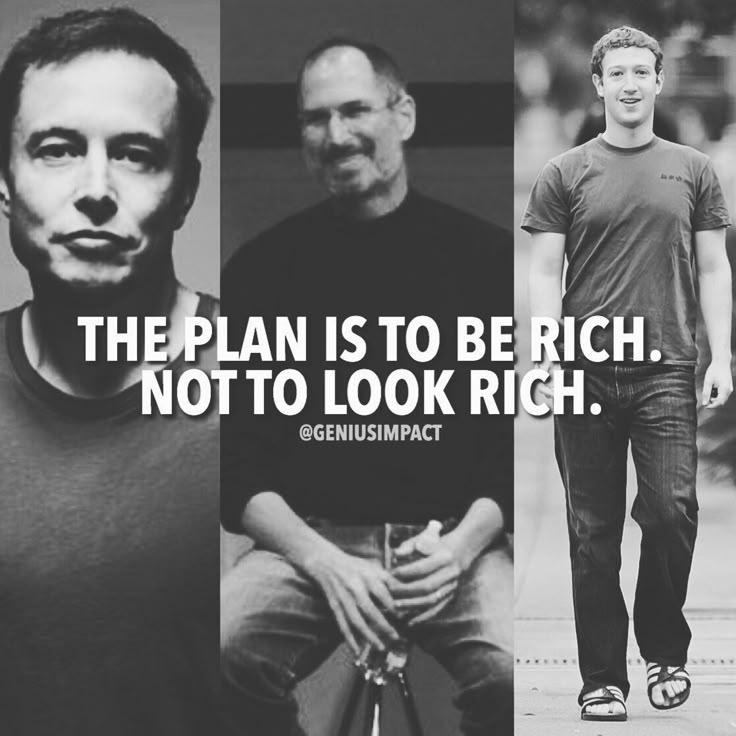
I went deep on the actual research on millionaires, not the instagram version, and the most surprising finding is how boring and invisible most of them are. the loud, flashy, clearly rich people are usually the broke ones. the real millionaires are quietly mowing their own lawn. there is one core skill behind this, and it is the opposite of what the culture sells.
i know, i know, you have heard live below your means a thousand times. stay with me, because the research makes it concrete and a little shocking. the landmark study here is The Millionaire Next Door by Thomas Stanley, who actually surveyed American millionaires and found most were not doctors and executives with sports cars. they were ordinary people, often in unglamorous businesses, who lived in modest homes and drove used cars. the flashy spenders he studied were mostly high income and low net worth, what he called under accumulators of wealth.
so here is the one skill, broken into the two moves that matter.
Move one, decouple your spending from your income. this is the whole thing. when you get a raise, the broke high earner upgrades their life. the future millionaire banks it. Stanley found the strongest predictor of wealth was not income, it was a frugal, consistent gap between earning and spending, invested over time. looking rich and being rich are usually opposites, because every dollar spent signaling wealth is a dollar that never compounds into actual wealth.
Move two, let the invisible gap compound, untouched. the money you do not spend goes into boring, broad investments and you leave it alone for decades. that is it. no timing, no hot picks. compound interest on a consistent gap is the quiet engine, and it works precisely because you are not draining it to look impressive.
the reason this feels hard is social. spending is visible and net worth is invisible, so the culture rewards the costume and ignores the substance. the millionaire next door simply stopped caring about the costume.
here is the line i keep coming back to. the people who look rich and the people who are rich are usually two different groups, because the money you spend proving it is the money you never get to keep.
and the real leverage is this: building wealth is mostly behavioral, not mathematical. a modest earner with a high savings rate and patience beats a high earner who spends it all, every time. that gap is a learnable discipline, and it quietly compounds into freedom while nobody is watching.
a couple things that genuinely helped me, since this is a habit and not a fact:
The Millionaire Next Door by Thomas Stanley, the eye opening data on who actually builds wealth, and it will cure you of wanting to look rich. honestly i had it sitting unread on a shelf for a year, which is a little on the nose for a post about delayed gratification.
The Psychology of Money by Morgan Housel, the best book on why wealth is what you do not see.
YNAB, a budgeting app I run everything through so the gap gets saved before i can spend it.
BeFreed, the one I use to keep the mindset sharp, since the hard part is mental. it is a personalized audio learning app, you tell it what you want to work on, for me it was spending discipline and money psychology, and it assesses where you are and builds a plan matched to that from real sources, the wealth researchers and behavioral economists above, then adapts as you go. i run it on walks. it kept the ideas in front of me until banking the raise felt normal instead of painful.
so if you want to actually get rich, the move is almost anticlimactic. spend quietly, save the gap, invest it in something boring, and let the years do the work. the people who look the part rarely keep it.
what is the most quietly wealthy person you have known actually like, and what did they spend money on versus skip?
r/MenOfPurpose • u/Top_Egg_7591 • May 03 '26

r/MenOfPurpose • u/Top_Egg_7591 • Jul 19 '26
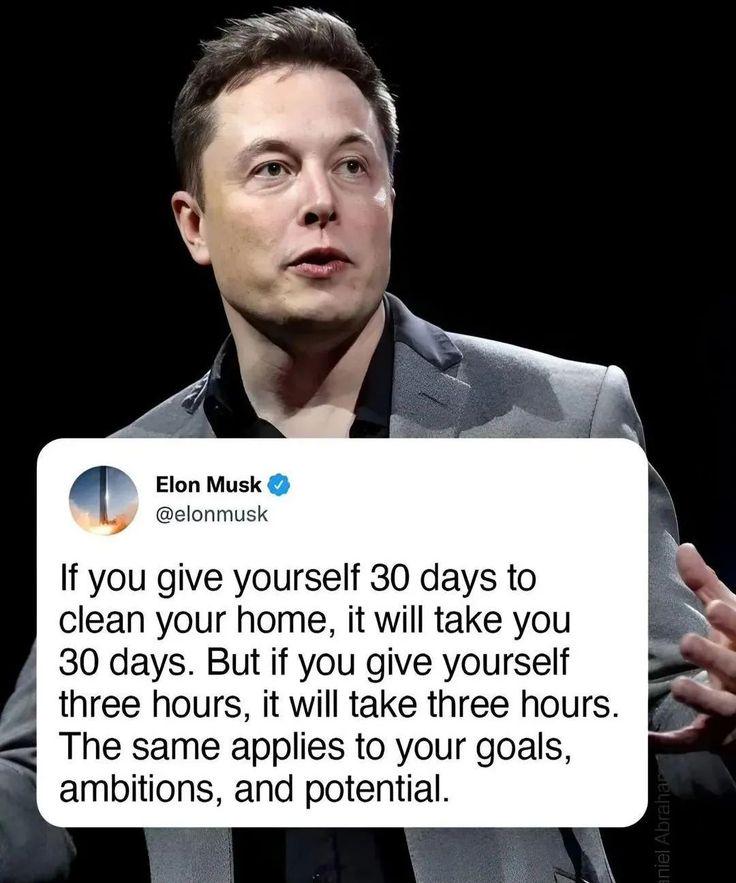
Not theory, not a flex. I got tired of feeling poor next to people who were objectively worse off than me on paper, so I ran an experiment: I stopped tracking my spending against my friends and started tracking only one number, my net worth, for a year. The shift in both my finances and my head was bigger than I expected. Here is what I found.
The setup. Everyone around me was upgrading, newer cars, bigger places, constant trips, all loudly visible. My instinct was to keep up. Instead I made net worth, assets minus debts, my only scoreboard, updated monthly, and ignored the rest.
What I tracked and what moved it. Net worth only moves two ways, you earn and keep more, or your investments grow. Spending to match peers does neither. Every month I logged the number and noted what nudged it. Boring stuff dominated: the automated investment, the raise I banked, the upgrade I skipped. The exciting visible purchases my friends made would have shown up only as a flat or falling line for them, which is exactly what most people never see because they never track it.
The psychological finding surprised me most. Watching net worth climb scratched the same itch that keeping up was supposed to. It became a quiet game I was winning, against my own past self instead of against other people. The envy faded not through willpower but because I had a better scoreboard. Stanley's Millionaire Next Door research describes this same profile, the quiet accumulators who track and build while the big spenders broadcast and stall.
The hard part was social. Choosing the invisible number means sometimes looking like the one who is behind, the friend who skips the upgrade. You have to be okay with that gap between how things look and how they are.
Here is the line I keep coming back to. Everyone else is optimizing for how their life looks this year. Net worth is the score for how free your life will be in twenty.
Now the leverage. The people quietly building wealth are usually the ones watching net worth while everyone else watches their lifestyle. It is a learnable focus, pick the right number, track it, let the visible noise go, and it compounds while the upgraders stay flat. The scoreboard you choose decides the game you win.
So here is what is worth your time.
The Millionaire Next Door by Thomas Stanley, the data on the quiet accumulators who out built the flashy spenders. It will make tracking net worth feel like a cheat code.
The Psychology of Money by Morgan Housel, on why wealth is the spending you do not see.
The Simple Path to Wealth by JL Collins, for turning the gap you protect into long term growth through index investing.
Just Keep Buying by Nick Maggiulli, data driven and great on focusing on the few moves that actually grow net worth.
Podcast: the ChooseFI show is excellent on this exact quiet building mindset.
Copilot Money, an app, or any net worth tracker, that makes the one number visible so it can become your scoreboard, which is the whole trick.
BeFreed, the one I lean on. I went to it because I had a pile of finance books I kept not finishing. It is a personalized audio learning app. You tell it what you want to learn, for me it was building net worth and ignoring the noise, and it assesses your level and builds a plan matched to your goal from real sources, personal finance researchers and behavioral economists, then adapts as you go. I run mine on the low calm voice on walks. It kept the focus in my head until the right number became the only one I cared about.
So if you feel behind watching everyone upgrade, you might be looking at the wrong number entirely. Track net worth, ignore the lifestyle, and quietly pull ahead while nobody notices.
What number do you actually track, and has changing your scoreboard ever changed how you felt about money?
r/MenOfPurpose • u/GrungeTeeth • Apr 16 '26
Have fun roleplaying wolves and being delusional to feel better lmao. Who TF actually calls themselves alpha unironically. Please tell me people don't actually do that. You can't. Don't embarrass yourself.
r/MenOfPurpose • u/MotherAnt8040 • May 02 '26