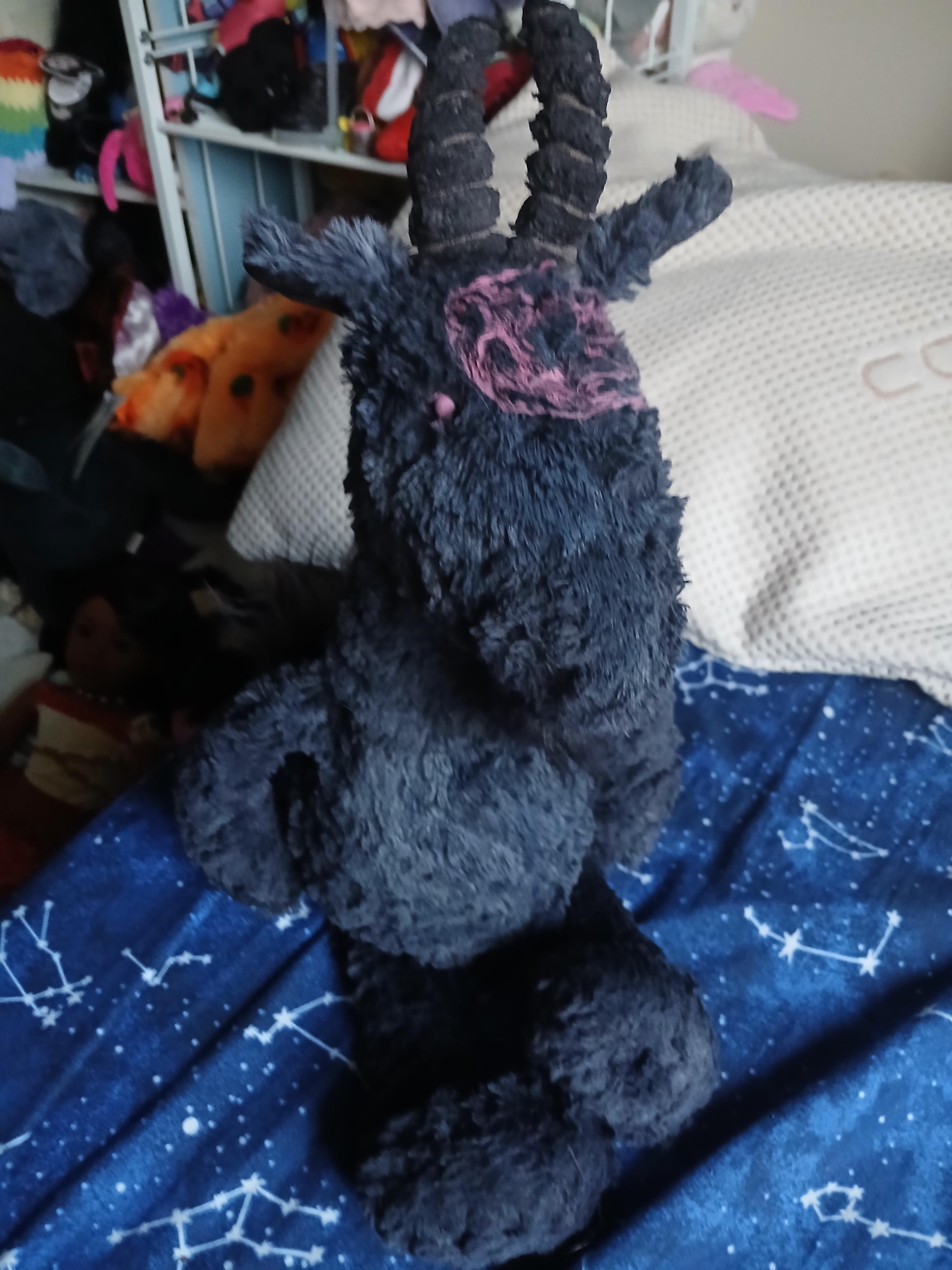
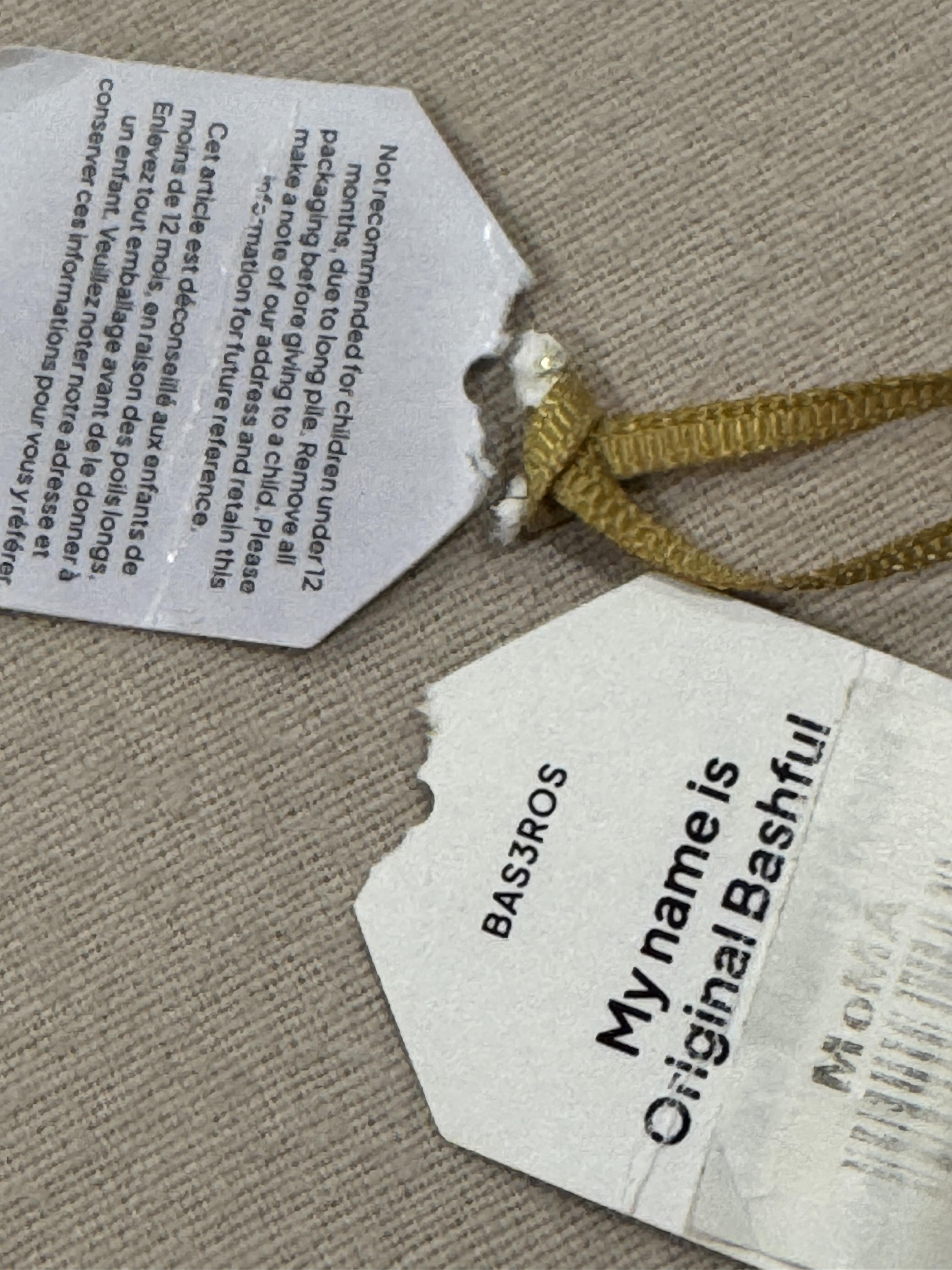
This isn’t about trading standards, sustainability or the things that normally come to mind when you consider whether a company is “ethical”.
It’s about the consumers and the ways in which jellycat exploit them.
The “jellyfriends” community are largely comprised of adult members who collect either for themselves or their children.
The adult collectors are massive supporters of the brand. Both in terms of consuming and advertising through interacting on social media, reviewing and discussing, making Jellycat a household name.
Jellycat is a “special interest” to some, there are collectors with neurodivergence, longstanding mental and physical health conditions and of course, some collectors are actual children, which is a vulnerable demographic full stop.
The newer releases seem to have dropped with a new PR tactic: “drive up demand by blatantly lying about limited releases and then capitalise on the panic and desperation of these (largely) vulnerable consumers”
The patchwork bunny release was a case in point.
The bunnies dropped. No notice was given. No information on stock availability or whether these would come to store or be an online exclusive. Whether they were limited or here to stay. Nothing.
Confusion and panic ensued. Then they “sold out” within hours and we were categorically and repeatedly told they WOULD NOT BE RETURNING.
Of course this is when the bunnies begin to appear on eBay at up to 500% retail value. Many collectors bought these overpriced eBay bunnies thinking they’d never see them again or have disappointed children because they didn’t have the money available for a midweek unannounced new release.
I know people personally who have exchanged rare and expensive jellies to get hold of these “never to be seen again” patchwork bunnies.
And THEN. After all the panic, disappointment and spending of money we didn’t have to begin with, Jellycat pull the “due to popular demand” move.
Yes. The bunnies are returning because they are not infact limited. They never were. It was all a clever ploy to get us to buy out stock and it works.
But at what cost?
I am autistic. I also have ADHD, as many of us on the spectrum do. Jellycat is a special interest for me. It’s also a huge source of comfort.
But it can be a source of great anxiety too. Not knowing when product is retiring. Whether I need to stash away a backup for my comfort plushies so I don’t have to pay over retail for a replacement if or when the time comes…
And now it’s not knowing whether jellycat are going to drop stock out of the blue and if they do whether I’m going to miss out forever. If they say yes do they really mean no and vice versa.
It’s got to a point where collecting is possibly more anxiety inducing than comforting.
Yes it’s just a toy company at the end of the day and yes this is just good marketing.
But for a company that prides itself on being “ethical”, their conduct most definitely hasn’t been and there’s no sign of it changing anytime soon.