Hey everyone,
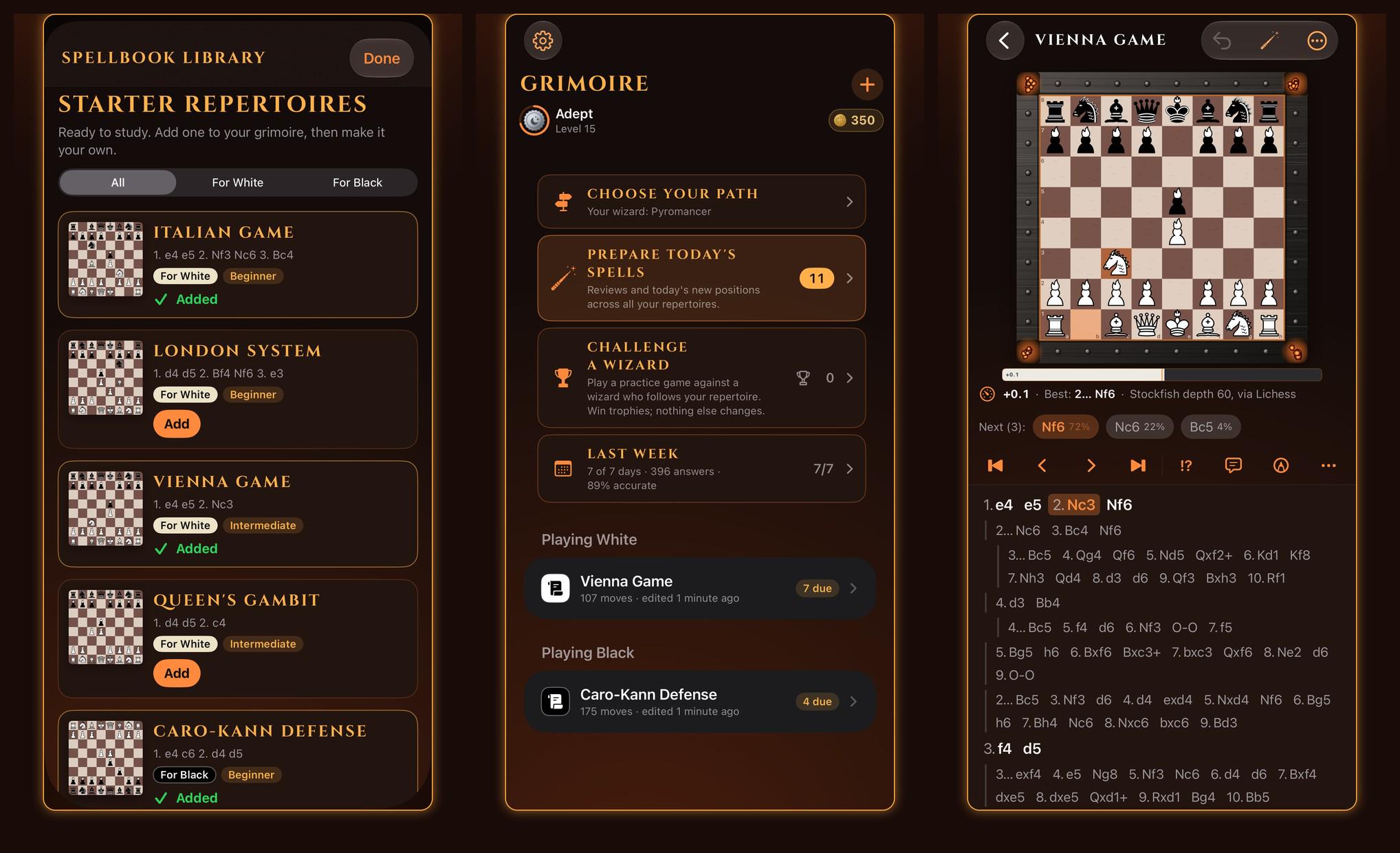
I've been working on a project called ChessCo for about 18 months now, and figured I'd share it for self-promo Friday.
One thing that's always bothered me about online chess is how little information players have when they suspect someone is cheating. You report someone, and maybe something happens, maybe it doesn't. Most of the time, you're left wondering.
I don't claim to have built something better than Chess.com's fair play system. They have access to far more data than I do, and I'm sure there's a lot happening behind the scenes that I'll never know about.
But I do think players should have access to tools that let them investigate suspicious games themselves.
That's why I built ChessCo.
I've spent the last 18 months collecting data, training models, and experimenting with ways to distinguish human play from engine-assisted play.
Recently, I tested ChessCo against a research dataset that I found particularly interesting. Researchers held two blitz tournaments where 49 club players could secretly consult Stockfish during their games. Every time they requested an engine move, it was recorded.
That means we know exactly when someone used an engine. ChessCo didn't have access to that information when analyzing the games though.
The results were pretty encouraging.
Of 294 honest games, ChessCo didn't flag a single one. It classified 291 as clean and put 3 in a lower-confidence "watch" category.
For players using an engine, it flagged about a third of individual games. But when analyzing at least 10 games from an engine user, it flagged every tested case.
That difference is a big part of what I've been working toward. A single game often doesn't give you enough information to draw meaningful conclusions, but patterns across multiple games can tell a much more interesting story.
There's still a ton of work to do, and I'm not claiming the tool can prove someone cheated. But I think giving players a way to explore this evidence is worthwhile.
Anyway, I'd love to hear what people think. If you've encountered someone suspicious, feel free to share a username or game link. I'm happy to investigate a few.
https://chessco.gg/start
The research dataset comes from ChessFraud (Lepin et al., KDD 2026).